
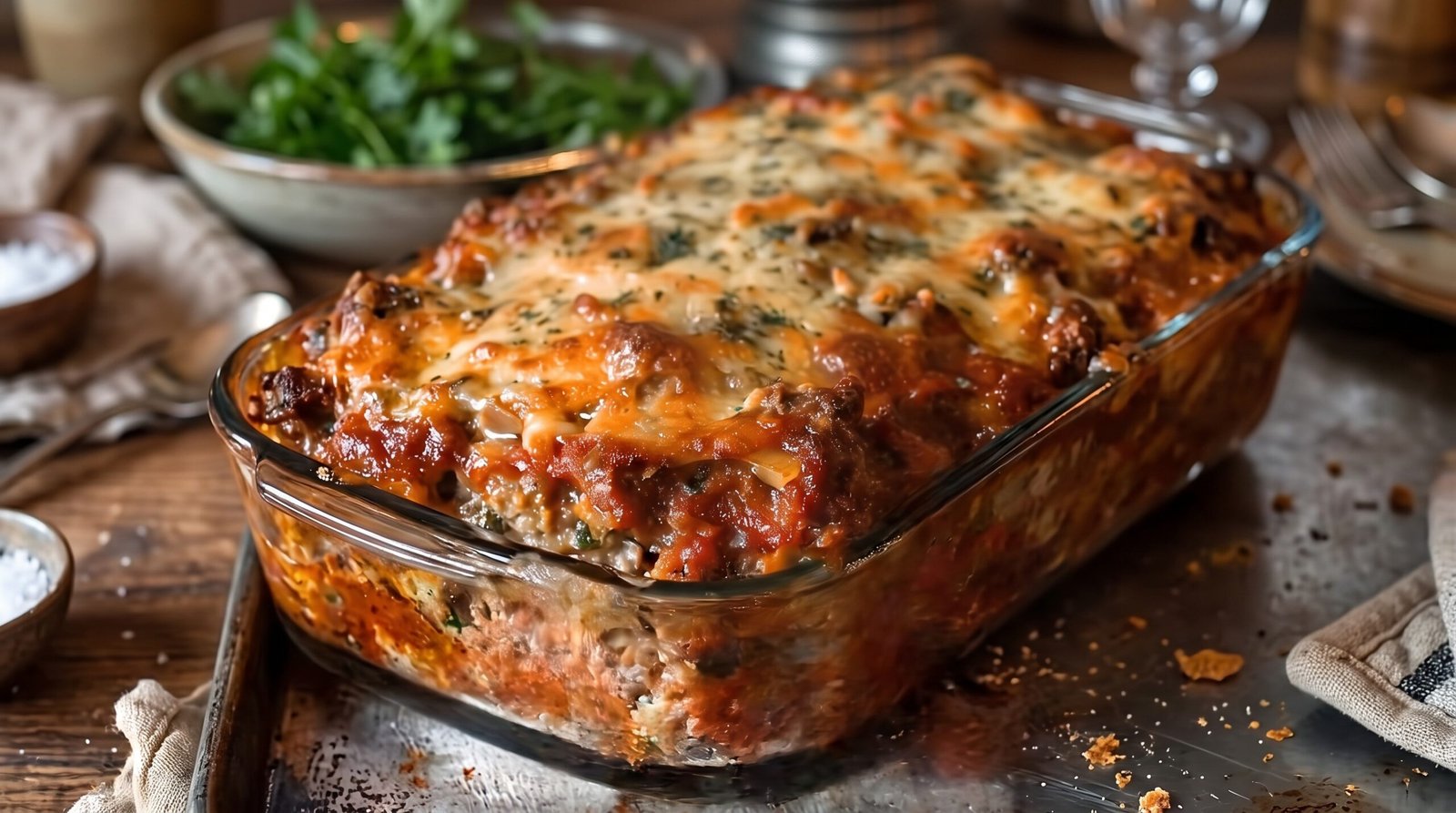
I often find myself standing in my kitchen at five in the evening, staring into the refrigerator without a clear plan for dinner. This happens to the best of us, especially after a long day when the energy to chop, sauté, and boil for hours simply is not there. One evening, after staring at a box of pasta and some ground beef, I decided to combine everything into a single baking dish. The result was this baked ziti, a hearty meal that brings comfort to the table without requiring a dozen pots and pans. It is the kind of dish that makes the house smell like an Italian bistro and ensures everyone gets a serving of protein, carbohydrates, and bubbly melted cheese.
Making this cheesy baked ziti meat casserole is about finding the balance between the tang of the tomato sauce and the richness of the cheese. I have learned over the years that the secret lies in not overcooking the pasta before it hits the oven. By pulling the noodles out of the boiling water just a minute or two before they are fully soft, they finish soaking up the sauce in the casserole dish without turning into mush. It is a simple adjustment that changes the entire texture of the meal, turning a basic pasta bake into something that holds its shape on the plate.
Why This Recipe Works
This casserole works because it relies on the principle of uniform cooking. When you mix the meat, sauce, and pasta before putting them into the dish, every bite contains a bit of everything. The ground beef provides a savory base that contrasts with the sweetness of the tomatoes, while the cheese acts as a seal on top, trapping moisture underneath. Because the meat is browned on the stovetop first, you get a depth of flavor that a slow-cooked sauce might offer, but in a fraction of the time.
The structure of the ziti noodles is another reason this works so well. Unlike spaghetti, which can tangle and become difficult to serve from a deep pan, the short tubes of ziti hold the sauce inside them. When you scoop out a portion, you get a cohesive block of pasta and meat bound together by the cheese. It is a very forgiving dish. If you happen to have a little extra meat or a bit more cheese on hand, you can toss it in without worrying that the recipe will fail.
Ease of cleanup is a major factor for me. By using a single large pot for the meat and sauce and one baking dish for the final result, I keep the kitchen clutter to a minimum. This allows me to spend more time eating with my family and less time standing at the sink. It also reheats beautifully. If you find yourself with leftovers, you can put them in the oven the next day for a lunch that tastes just as fresh as the night before.
The texture profile is what keeps people coming back. You get the slight chew of the pasta, the tender bits of ground beef, and the creamy pull of the melted cheese on top. It is simple, honest food that requires no fancy techniques. Whether you are cooking for a crowd or just want enough leftovers for a few days, this casserole satisfies.
Ingredient Notes
Meat and Protein
For this casserole, I recommend a standard ground beef with about 15 to 20 percent fat content. This fat is essential for flavor and keeps the meat from drying out during the baking process. If you prefer something leaner, you can mix in a bit of ground sausage, which adds a nice kick of herbs like fennel and garlic. Always make sure to brown the meat thoroughly in your skillet until no pink remains. The goal is to get the edges of the beef nicely browned, as this creates a savory foundation for the rest of the ingredients. If you see excess fat in the pan after browning, drain most of it, but leave a tablespoon or two to add richness to your sauce.
Pasta and Base
I stick to ziti for this recipe, though penne or rigatoni work just as well because they are sturdy and hold sauce efficiently. The most important thing here is to boil the pasta in well-salted water. Do not skip the salt; it is the only chance you have to season the pasta itself from the inside. Cook it until it is just past firm, usually called al dente, because it will spend thirty minutes in a hot oven. If you cook it all the way through before baking, it will lose its structure once the sauce and cheese are added. Drain the pasta well so you do not dilute the sauce with extra water.
Sauce and Cheese
A good jarred marinara sauce can save you a lot of time. Look for a brand that lists tomatoes as the first ingredient and avoid those with excessive added sugars. If you have time to make your own tomato base, go for it, but for a busy weeknight, high-quality jarred sauce is perfectly acceptable. For the cheese, I like a mix of shredded mozzarella and a bit of grated parmesan or pecorino. The mozzarella provides the classic melt, while the sharper parmesan adds a salty, nutty bite. I prefer shredding my own blocks of cheese, as pre-shredded varieties are often coated in starches that prevent them from melting into that smooth, gooey layer we all want.
| Ingredient | Amount | Notes |
|---|---|---|
| Ziti Pasta | 16 ounces | Cook al dente |
| Ground Beef | 1 pound | 80/20 lean to fat |
| Marinara Sauce | 24 ounces | Pick a quality brand |
| Mozzarella Cheese | 12 ounces | Freshly shredded |
| Parmesan Cheese | 1/2 cup | Finely grated |
| Olive Oil | 1 tablespoon | For the skillet |
| Dried Basil | 1 teaspoon | Adds aroma |
| Garlic Powder | 1/2 teaspoon | For seasoning |
| Salt and Pepper | To taste | Adjust for your preference |
The Recipe
- Prep Time: 15 minutes
- Cook Time: 45 minutes
- Total Time: 60 minutes
- Servings: 6 to 8
- Difficulty: Easy
Equipment Needed:
– Large pot for boiling water
– Large skillet for browning meat
– 9×13 inch baking dish
– Colander
– Wooden spoon
– Grater
Step-by-Step Instructions
Step 1: Preheat and Prepare
Start by preheating your oven to 375 degrees Fahrenheit. While the oven is warming up, set your large pot of water on the stove over high heat. Add a generous handful of salt once the water begins to boil. Bringing your oven to the correct temperature early ensures the casserole begins cooking as soon as you slide it in.
Gather your baking dish and lightly grease it with a tiny bit of olive oil or butter. This step is essential because it prevents the pasta from sticking to the glass corners, making your clean-up job significantly easier later on. Having your equipment ready before you start cooking keeps the process moving smoothly.
Step 2: Brown the Beef
Place your large skillet over medium-high heat and add the olive oil. Once the oil is shimmering, add the ground beef. Break it apart with your wooden spoon as it cooks. You want the beef to be browned throughout, with small, caramelized bits scattered among the larger chunks.
Cook for about 7 to 9 minutes. The meat should be fully cooked, with no pink parts left. Use your thermometer to check that the beef has reached an internal temperature of 160 degrees Fahrenheit. Drain off the extra fat from the pan, leaving just enough to keep the sauce flavorful. Sprinkle the salt, pepper, and garlic powder over the cooked meat, tossing to combine.
Step 3: Combine Sauce and Meat
Pour the jarred marinara sauce into the skillet with the cooked beef. Stir it well so the meat is evenly distributed throughout the red sauce. Turn the heat down to low and let it simmer for about 5 minutes. You just want the flavors of the meat and the tomato sauce to meld together.
Add the dried basil during this time. The heat from the sauce will wake up the dried herbs, releasing their fragrance into the kitchen. If you notice the sauce is getting too thick, you can add a tiny splash of water or pasta water to loosen it up. Turn off the heat once the mixture is bubbling gently.
Step 4: Cook the Pasta
While the sauce is simmering, add the ziti to the boiling, salted water. Boil the pasta for about 7 to 8 minutes. You want to stop before it is fully soft. Take a piece out, bite into it, and look for a tiny bit of resistance in the center.
Drain the pasta using your colander. Give it a gentle shake to remove as much water as possible. If the pasta sits in the colander with too much water, your casserole will turn out watery when it comes out of the oven. Put the drained pasta back into the pot and pour the meat sauce over it, stirring until every noodle is coated.
Step 5: Assemble and Bake
Transfer the pasta and meat mixture into your prepared baking dish. Spread it out into an even layer using your spoon. Sprinkle the shredded mozzarella cheese over the top, making sure to get it all the way to the edges. Finish by dusting the grated parmesan cheese over the mozzarella.
Place the dish in the preheated 375 degree oven. Bake for 25 to 30 minutes. You are looking for the cheese to be melted and bubbly, with a few golden-brown spots forming on the surface. The sauce should be bubbling up around the sides of the dish. Once it reaches this state, take it out of the oven.
Step 6: Rest and Serve
Let the casserole rest on the counter for 10 minutes before you serve it. This short rest time allows the sauce to thicken slightly and the cheese to set, which makes it much easier to scoop out clean portions. If you cut into it immediately, the inside will be too runny and messy.
Use a sturdy spatula to serve. Because you let it rest, the layers will stay intact on the plate. If you have guests, you can garnish the top with fresh herbs like parsley to brighten up the final look, though it is certainly fine to serve it as is.
Mistakes I Made (So You Don't Have To)
Overcooking the Pasta
The first time I made this, I followed the instructions on the pasta box to the letter. By the time the casserole came out of the oven, the noodles had turned to mush. They had essentially disintegrated into the sauce because they cooked twice: once in the boiling water and once in the hot oven. Now, I always pull the pasta out of the water at least two minutes earlier than the box suggests. It should have a distinct bite to it before it goes into the oven.
Not Draining the Fat
In my early cooking days, I thought leaving all the fat from the ground beef would add more flavor. While it does add richness, too much fat makes the casserole greasy and causes the sauce to separate in the bottom of the dish. I learned to drain most of the rendered fat after browning the meat. I leave just a tablespoon to coat the pan, which is plenty to carry the flavor without turning the meal into an oily mess.
Using Pre-Shredded Cheese
I used to buy bags of pre-shredded mozzarella because I wanted to save time. I noticed that the cheese never melted into that nice, gooey layer; instead, it stayed in little dry-looking clumps. I later found out that store-bought shredded cheese contains anti-caking agents like potato starch or cellulose. These powders stop the cheese from melting properly. I now buy blocks of mozzarella and take two minutes to shred them myself. The difference in texture is worth the small amount of effort.
Crowding the Baking Dish
I once tried to shove too much pasta into a small dish because I did not want to wash two pans. The casserole didn't cook evenly, with the middle remaining cold while the edges got burnt. I now use a proper 9×13 inch dish for one pound of meat and one pound of pasta. This gives the heat enough space to circulate correctly around the entire dish. It ensures that the top gets nicely toasted and the middle reaches the right temperature at the same time.
Variations and Tips
Adding Vegetables
If you want to add some color and texture, you can sauté chopped bell peppers or zucchini with the ground beef. Make sure to dice them small so they cook quickly and integrate well with the meat. This is a great way to use up vegetables that are sitting in your crisper drawer. If you choose to do this, make sure to adjust your baking time slightly to ensure the extra moisture from the vegetables does not make the casserole too wet.
A Spicy Kick
For those who enjoy a little heat, add a teaspoon of red pepper flakes to the sauce while it is simmering. The spice balances the rich, creamy nature of the cheese. You can also mix in some hot Italian sausage along with the ground beef for a deeper, spicier flavor profile. This makes the dish feel more complex without adding much time to your preparation.
Make-Ahead Strategy
You can assemble this entire casserole up to 24 hours in advance. After you put the pasta, meat, and cheese in the dish, cover it tightly with foil and place it in the refrigerator. When you are ready to eat, let it sit on the counter for 30 minutes to take the chill off before putting it in the oven. You may need to add 5 to 10 minutes to the total baking time since the dish is starting cold.
Herb Infusion
Dried herbs are convenient, but if you have fresh basil or parsley, use them. Add the fresh herbs right at the very end after the casserole has come out of the oven. Fresh basil adds a vibrant, floral note that dried herbs simply cannot match. It gives the dish a high-end feel that makes it seem like you spent hours on it, even if you just pulled it from the pantry.
Storage and Reheating
If you have leftovers, store them in the refrigerator within two hours of cooking. Place the cooled casserole in an airtight container or cover the baking dish tightly with foil. It stays fresh for up to three days. I recommend reheating only what you intend to eat.
To reheat, the best method is the oven. Preheat your oven to 350 degrees Fahrenheit and heat the leftovers until they are steaming hot and the internal temperature reaches 165 degrees Fahrenheit. You can add a splash of water or sauce before heating to keep it moist. Using the microwave works in a pinch, but the oven preserves the texture of the cheese much better. I do not recommend freezing this dish, as the pasta often becomes overly soft and watery once thawed and reheated.
Frequently Asked Questions
Can I use a different type of meat?
Absolutely. Ground turkey or ground chicken are fine alternatives if you prefer lighter meat. Keep in mind that these meats are leaner than beef, so you might want to add a little extra olive oil to the pan when browning them to prevent them from becoming dry. Ensure you cook them until they are no longer pink and reach an internal temperature of 165 degrees Fahrenheit.
My cheese burnt on top but the inside is cold, what happened?
This usually means your oven was too hot or the rack position was too high. If you notice the cheese browning too quickly, place a piece of aluminum foil loosely over the top of the dish. This prevents the top from darkening further while allowing the heat to continue warming the center. Also, make sure to let the dish reach room temperature before starting the baking process if you have been storing it in the fridge.
Is it necessary to use a 9×13 dish?
A 9×13 inch dish is the standard size for this amount of ingredients. If you use a smaller dish, the casserole will be too deep, which prevents even cooking and risks the center remaining undercooked. If you only have a smaller dish, I suggest splitting the ingredients into two smaller containers. This keeps the layer thickness consistent and ensures every part of the casserole cooks in the suggested 25 to 30 minutes.
What should I serve with this?
Since the casserole is quite rich and hearty, a simple green salad with a sharp vinaigrette is the perfect side. The acidity of the dressing cuts through the fat of the cheese and meat, balancing the meal. Some crusty bread or garlic bread is also nice for mopping up any leftover sauce on the plate. Avoid heavy sides like potato salad or creamy vegetables.
Should I cover the dish with foil while baking?
I generally leave the dish uncovered so that the top cheese layer can become golden and bubbly. However, if your oven tends to run very hot, you might prefer to cover it for the first 15 minutes and then uncover it for the final 10 minutes. This ensures the pasta is fully cooked and the sauce is hot without the top drying out or burning.
Final Thoughts
Making this cheesy baked ziti meat casserole has become a staple in my routine. It is reliable, satisfying, and easy to clean up, which is everything I need on a busy evening. I hope this recipe becomes a regular part of your rotation as well, giving you one less thing to worry about when the dinner rush hits.
Remember that cooking is meant to be flexible. If you want more sauce, add it. If you prefer a different blend of cheeses, try it out. The foundation I have shared here works, but the small touches you add will make it truly yours. Enjoy your meal and the time you spend around the table.