
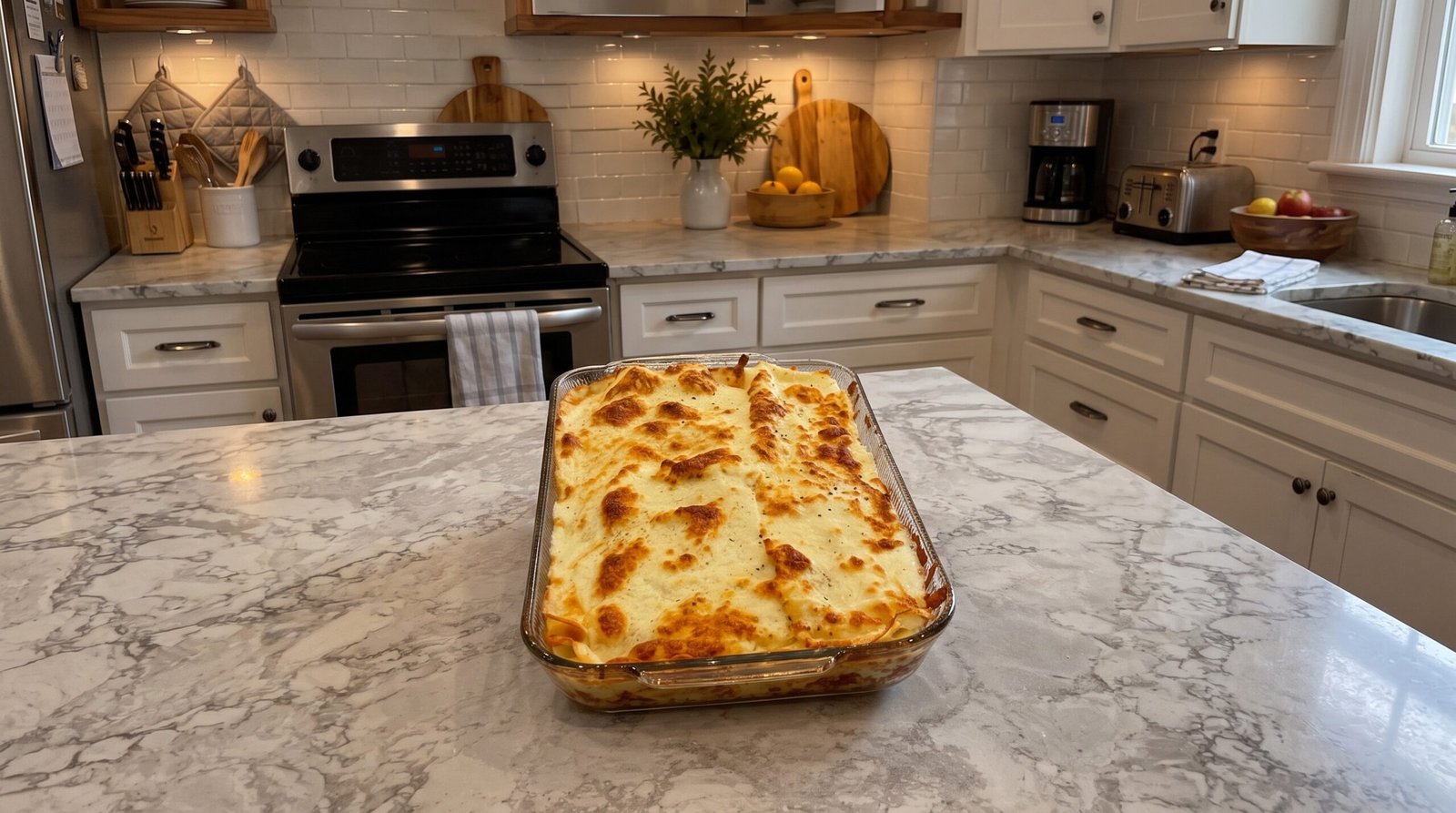
I remember the first time I tried to put together a homemade lasagna. My kitchen was a mess of flour, spilled sauce, and noodles that refused to behave. I ended up with a dish that tasted alright but looked like a landslide on a plate. Since then, I have learned that the secret to a great white lasagna is all about controlling the moisture and building flavor into every single layer without making it too complicated. This spinach and ricotta version is my go-to when I want something comforting that feels special but does not require me to spend my entire Sunday in the apron.
Getting the balance right between the creamy cheese filling and the earthy spinach is key. This recipe relies on a simple homemade bechamel sauce that acts as the glue for the whole dish, ensuring that each bite is cohesive and satisfying. You will find that putting this together becomes much easier once you understand how the components interact in the heat of the oven. Whether you are cooking for a small group or just want to have leftovers for the week, this meal holds up well and remains a consistent favorite in my house.
Why This Recipe Works
This recipe works because it avoids the common pitfalls of watery vegetable lasagnas. Many versions of this dish end up sliding apart because the spinach releases too much water during baking. By taking a few extra moments to properly sauté and squeeze the spinach, you ensure the texture stays firm and the flavors remain concentrated. The use of a classic bechamel sauce rather than just piling on containers of ricotta gives the final dish a smoother mouthfeel that carries the nutmeg and garlic notes through every layer.
The ratio of cheese to pasta is also carefully considered. Too much cheese can become oily, while too little makes the lasagna feel like dry cardboard. I suggest a blend of whole milk ricotta, which provides that essential creamy base, mixed with a good quality Parmesan for a salty punch and some mozzarella to get those golden bubbles on top. When these cheeses hit the hot white sauce, they melt into a silky consistency that binds the noodles together perfectly.
Ease of assembly is another reason I reach for this recipe often. Since there is no meat to brown or complex tomato sauce to simmer for hours, the prep time is significantly shorter than a traditional lasagna. You can assemble this in under forty-five minutes. Once it hits the oven, it requires nothing but time to set and brown on the edges. The aroma that fills your kitchen as the top layer of mozzarella starts to take on that toasted color is one of the best parts of the process, signaling that your meal is ready to be pulled from the heat.
Ingredient Notes
The Pasta and Filling
You should look for high-quality oven-ready or boil-in-pot lasagna sheets. If you use the standard type, make sure to boil them until they are just al dente. They will soften further in the oven. For the filling, whole milk ricotta is non-negotiable. The lower-fat versions tend to release more liquid, which can ruin the texture of the lasagna. I always drain my ricotta in a fine-mesh strainer for at least thirty minutes before using it to ensure the filling stays thick and rich.
For the spinach, frozen chopped spinach is actually better than fresh in this instance. It is already processed to the right consistency. You must thaw it completely and squeeze every last drop of water out. I wrap it in a clean tea towel and twist it hard over the sink. You will be surprised by how much water comes out. If you skip this, your lasagna will end up as a soup in the bottom of the dish.
The Creamy Sauce and Cheeses
The bechamel sauce is the heartbeat of this dish. You only need butter, flour, and milk to make it. Using whole milk makes a much richer sauce, which is important because we are not using a heavy tomato base. I like to add a pinch of freshly grated nutmeg and some white pepper to the sauce. These spices are subtle but provide a depth that makes the dish taste like it came from a professional kitchen. Make sure to whisk the flour and butter constantly when you start the roux to avoid any lumps.
For the topping, fresh mozzarella is lovely, but for a lasagna, I find that a block of low-moisture mozzarella that I grate myself melts more evenly and does not create the pools of water that the water-packed balls can cause. Mixing in a generous amount of aged Parmesan adds a salty, nutty bite that contrasts well with the mildness of the ricotta and the spinach. Do not use the pre-grated bags of cheese if you can help it, as they are coated in potato starch which prevents them from melting into that desired gooey consistency.
| Ingredient | Amount | Notes |
|---|---|---|
| Lasagna noodles | 12-15 sheets | Oven-ready or boiled al dente |
| Ricotta cheese | 15 ounces | Whole milk, drained of excess liquid |
| Frozen spinach | 10 ounces | Thawed and squeezed very dry |
| Butter | 4 tablespoons | Unsalted, for the roux |
| All-purpose flour | 1/4 cup | To thicken the sauce |
| Whole milk | 3 cups | Warmed before adding |
| Parmesan cheese | 1 cup | Freshly grated |
| Mozzarella cheese | 2 cups | Low-moisture, freshly shredded |
| Nutmeg | 1/4 teaspoon | Freshly grated if possible |
| Salt and pepper | To taste | Adjust based on cheese saltiness |
The Recipe
- Prep Time: 40 minutes
- Cook Time: 45 minutes
- Total Time: 1 hour 25 minutes
- Servings: 8 servings
- Difficulty: Intermediate
- Equipment: 9×13 inch baking dish, medium saucepan, mixing bowl, fine-mesh strainer, whisk, cheese grater
Step-by-Step Instructions
Step 1: Prep the Spinach and Ricotta
Start by taking your thawed spinach and placing it into a clean kitchen towel. Twist the towel tightly over your kitchen sink, applying firm pressure to remove as much moisture as possible. This process might take a couple of minutes, but it is vital for the final texture. Once the spinach is dry, place it into a large mixing bowl.
Add the drained ricotta, half of your Parmesan cheese, a pinch of salt, and a dash of black pepper to the bowl with the spinach. Stir everything together until it is well combined. I like to taste this mixture at this stage to make sure it is seasoned properly, as this will be the main flavor layer of your dish. Set the bowl aside while you work on the creamy sauce.
Step 2: Make the Bechamel Sauce
Place your saucepan over medium heat and melt the butter until it is bubbling. Add the flour and whisk it into the butter for about two minutes. You want to cook out the raw flour taste, but do not let it get brown. It should smell slightly nutty and look like a thick paste.
Slowly begin to pour in the warm milk while whisking constantly. By adding the milk slowly, you prevent lumps from forming. Once all the milk is incorporated, keep whisking until the sauce starts to bubble and thicken enough to coat the back of a spoon. Remove it from the heat and stir in the nutmeg, salt, and pepper. It should be smooth and velvety.
Step 3: Assemble the Layers
Preheat your oven to 375 degrees Fahrenheit. Spread a small ladleful of your bechamel sauce over the bottom of the 9×13 inch baking dish to keep the bottom noodles from sticking. Place a layer of pasta sheets over the sauce, trimming them if necessary to fit the dish.
Spread about one-third of the ricotta and spinach mixture over the pasta. Pour a bit of bechamel over that, then sprinkle with a little mozzarella. Repeat these layers until you have used all your ingredients, ending with a final layer of pasta topped with the remaining bechamel and a generous covering of mozzarella and the rest of the Parmesan.
Step 4: Bake the Lasagna
Cover the dish with aluminum foil. To prevent the cheese from sticking to the foil, you can lightly spray the underside of the foil with a bit of oil. Place the dish in the preheated oven and bake for 30 minutes. The steam trapped under the foil is what cooks the noodles through.
After 30 minutes, carefully remove the foil. The edges should be bubbling and the middle should be hot. Continue baking for another 15 minutes, uncovered, until the cheese on top is melted, golden, and showing spots of brown. The internal temperature of the center of the lasagna should reach 165 degrees Fahrenheit.
Step 5: The Important Rest
Once the lasagna is done, take it out of the oven and let it sit on the counter for at least 15 to 20 minutes before cutting. This is the hardest part because the smell is amazing, but it is necessary. If you cut into it immediately, the layers will slide apart because the cheese is still too runny.
Giving the dish time to rest allows the sauce and cheese to set up, which creates those clean, beautiful layers that hold their shape on the plate. When you are ready to serve, use a sharp knife to cut through the top layer of cheese, then lift the portions out carefully with a wide spatula.
Mistakes I Made (So You Don't Have To)
Too Much Liquid
Early on, I often ignored the need to drain the ricotta and squeeze the spinach. I ended up with a lasagna that looked like a lake once I cut into it. The fix is simple: take the time to strain your ricotta for at least half an hour and use a heavy-duty towel to wring out the spinach until it is essentially dry. It feels like a chore, but it is the most important step for success.
Lumpy Sauce
The first few times I made bechamel, I dumped the cold milk into the hot butter and flour all at once. This caused the flour to clump up instantly into little balls that refused to disappear. The fix is to use warm milk and add it to the roux in small splashes, whisking vigorously after every addition. By the time you add the rest of the milk, the sauce will be silky smooth.
Overcrowding the Pan
I once tried to add too many layers to a dish that was too small, which resulted in the filling bubbling over the sides and burning onto the floor of my oven. Now, I always use a standard 9×13 inch dish and ensure I do not overfill the edges. If you have extra filling, it is better to save it for a side dish or make a smaller second pan rather than forcing it into a dish that cannot hold it.
Burning the Top
Because of the cheese and the sugar in the milk, the top of the lasagna can go from golden to burnt in a matter of seconds. I used to rely on visual cues only, but now I keep a close eye on the oven during those final 15 minutes. If it starts to look too dark, I loosely tent the foil back over it to protect the top while the middle finishes heating through to the required 165 degrees Fahrenheit.
Variations and Tips
Add Some Roasted Vegetables
If you want to add more texture, you can include finely chopped roasted mushrooms or zucchini. If you go this route, roast the vegetables in a separate pan until they are dry, then add them into the ricotta mixture. This keeps the moisture levels consistent and adds an earthy element that pairs well with the spinach. Just be careful not to make the filling too bulky, or the layers will not stack nicely.
The Garlic Infusion
I love the smell of garlic in this dish. Instead of just adding raw garlic, I sometimes lightly sauté three minced cloves in the butter before adding the flour for the bechamel. This infuses the entire sauce with a mild, aromatic garlic flavor that is much smoother than using raw garlic in the cheese mix. This is a great way to add complexity without needing extra ingredients.
Make-Ahead Strategy
This dish is perfect for preparing in advance. You can assemble the entire lasagna, cover it, and keep it in the refrigerator for up to 24 hours before baking. If you do this, add about 10 minutes to the initial covered baking time, as the ingredients will be cold when they go into the oven. It is a lifesaver for busy weeknights when you want a homemade meal without doing the assembly at the last minute.
Use Fresh Herbs
While I stick to nutmeg in my base recipe, fresh basil or oregano added between the layers of cheese gives the dish a bright, herbaceous note. If you use fresh herbs, make sure they are washed and dried thoroughly. Excess water on fresh herbs can soften the noodles too much during the baking process. A thin sprinkle is all you need to elevate the profile of the ricotta.
Storage and Reheating
If you have leftovers, they should be refrigerated within two hours of coming out of the oven. Transfer the remaining lasagna into an airtight container. It will keep well in the refrigerator for up to three days. When you are ready to eat it again, make sure to reheat it until it is steaming hot, reaching an internal temperature of at least 165 degrees Fahrenheit.
I do not recommend freezing this lasagna after it has been baked. The texture of the ricotta and the bechamel tends to change significantly once frozen and thawed; the sauce may separate, and the spinach can become quite mushy. If you really want to freeze a portion, it is better to freeze it unbaked, wrapped tightly in both plastic wrap and foil. You can then bake it directly from frozen, though you will need to increase the cooking time significantly to ensure the center reaches a safe temperature.
Frequently Asked Questions
Can I use fresh pasta instead of dried sheets?
Yes, you can use fresh pasta sheets, but they cook much faster than dry ones. If you use fresh, you can reduce the initial covered baking time to about 20 minutes. Keep a close eye on the texture, as fresh pasta can become overly soft and lose its structural integrity if left in the oven for too long.
Why is my lasagna watery after baking?
Watery lasagna usually comes from not removing enough moisture from the spinach or using a ricotta that was too wet. Even if you think you have squeezed the spinach enough, try giving it one more twist. Also, ensure your bechamel sauce is thick enough to coat a spoon before you start the assembly; if the sauce is too thin, the lasagna will not set properly.
What should I serve with this dish?
Since the lasagna is quite rich and creamy, it pairs best with something acidic or crisp. A simple arugula salad with a bright lemon vinaigrette is my favorite side. The peppery bite of the arugula cuts through the creaminess of the cheese and sauce, balancing the meal perfectly. A slice of toasted crusty bread is also great for soaking up any extra sauce left on the plate.
Is it necessary to boil oven-ready noodles?
Oven-ready noodles are designed to absorb the moisture from the sauce during baking. If you use them, you do not need to boil them first. However, you must make sure your bechamel sauce is not too thick, as the noodles need that liquid to rehydrate properly. If you are worried, adding an extra half-cup of milk to the sauce can help ensure the noodles get enough moisture to soften.
Can I use a different type of cheese?
You can swap the mozzarella for something like provolone if you want a sharper flavor. Provolone melts beautifully and has a bit more character than mozzarella. Avoid using cheeses with very high oil content, as they can separate during the long bake. Stick to cheeses that are known for good melting qualities to ensure the top layer stays cohesive and golden.
Final Thoughts
Making a spinach and ricotta lasagna is one of the most rewarding things you can do in your kitchen. It is a dish that shows you do not need fancy ingredients to create something that feels like a real treat. Once you get the hang of squeezing your spinach and whisking your sauce, you will find yourself returning to this recipe whenever you need a reliable dinner that everyone enjoys.
Remember that patience is just as important as the ingredients. The time spent resting the lasagna after it comes out of the oven is exactly what gives you those perfect, neat slices. Enjoy the process of building those layers, and do not worry if it is not perfect the first time; it will still be delicious.