
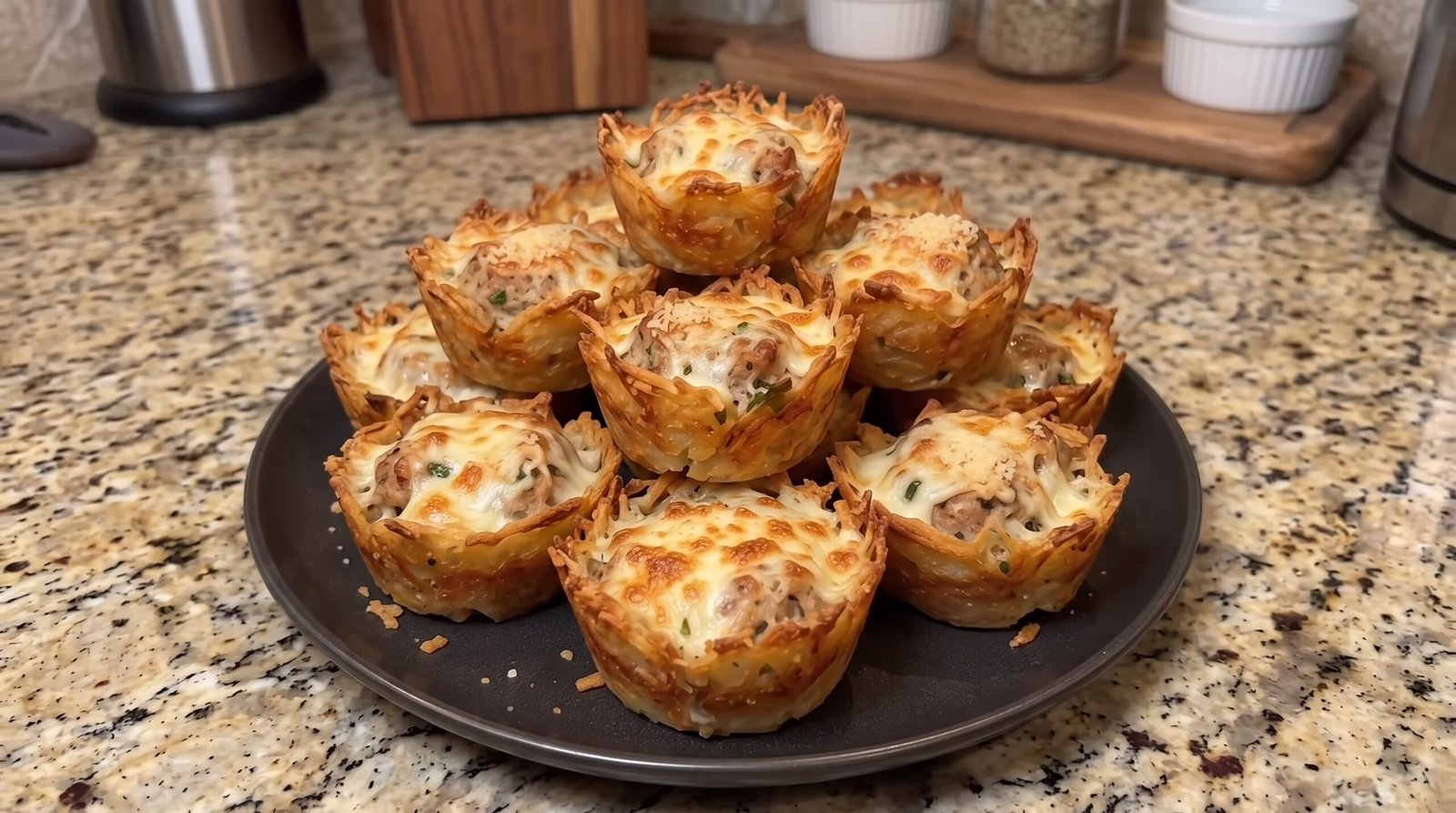
There are mornings when the thought of standing over a hot stove while flipping pancakes or scrambling eggs feels like far too much effort. I have spent many years trying to find a breakfast solution that feels substantial but does not require me to wake up an hour early to prepare it. These potato and sausage egg muffins have become my go-to choice for those busy days because they use ingredients I usually already have on hand. They provide a hearty start to the day without any of the stress associated with traditional frying or monitoring a pan on the stovetop. When you bite into one of these, you get the crisp texture of the potatoes on the outside combined with a soft, savory middle. It is a satisfying way to balance protein and starch in one handheld package that works just as well for a quick bite before heading out the door as it does for a slow weekend morning.
Why This Recipe Works
This recipe works because it relies on the natural structure of a muffin tin to create a sturdy, golden crust from shredded potatoes. By using shredded potatoes as a base, you are essentially creating a small vessel that holds the egg and sausage mixture inside. The potatoes provide a contrast in texture, moving from a rigid, crisp edge to a softer, starchy interior that absorbs the savory juices released by the cooking sausage.
The flavor profile is balanced by the saltiness of the sausage and the richness of the cheese. Since I use a standard breakfast sausage, the seasonings are often already built-in, which saves time on measuring out extra herbs or spices. The eggs bind everything together into a cohesive bite, preventing the filling from falling apart when you pick it up. This dish is forgiving because it uses high heat to toast the potatoes while the eggs cook through slowly in the center.
Another reason this recipe is a staple in my kitchen is its convenience. You can assemble these ahead of time or bake them in batches to have breakfast ready for the entire work week. They reheat well in a standard oven or a toaster oven, regaining much of their original texture. Unlike many other egg dishes that can become watery or rubbery when reheated, these hold their shape because the potato crust acts as a structural shell. It is a simple, no-fuss method that yields consistent results every single time I make it.
Ingredient Notes
The Potato Foundation
The potatoes are the most important part of this dish because they form the cup that holds everything else. I prefer to use Russet potatoes for this because their high starch content allows them to crisp up properly in the oven. If you use a waxy potato, they tend to stay soft and do not hold their shape as well. You will need to peel them and shred them using the coarse side of a box grater. It is vital to squeeze out all the excess moisture from the shredded potatoes using a clean kitchen towel before you start. If you skip this step, the potatoes will steam rather than crisp, and you will end up with a soggy muffin.
The Protein and Eggs
For the protein, I use a high-quality ground pork breakfast sausage. You can choose a version with sage or maple, depending on your preference, but keep in mind that maple might add a sweetness that changes the overall balance. Brown the sausage in a skillet before adding it to the muffin tins. If you put raw sausage in the middle of these, it will not cook through properly before the potatoes burn. The eggs act as the glue. You want to whisk them until the yolks and whites are fully combined to ensure the texture inside the muffin is consistent. I generally use large eggs, and if I am feeling fancy, I add a splash of heavy cream or whole milk to the eggs to make them slightly richer.
The Cheese and Seasoning
The cheese is what seals the deal on top. I find that a sharp cheddar or a blend of cheddar and Monterey Jack works best here because these cheeses melt consistently and provide a tangy flavor that cuts through the richness of the pork. For seasonings, keep it simple. A little black pepper and salt are usually enough, but you can add a pinch of garlic powder or dried chives if you want more depth. Be careful with the amount of salt you add, as both the sausage and the cheese contain a significant amount of sodium. You can always add a bit more salt at the table, but you cannot take it out once it is baked in.
| Ingredient | Amount | Notes |
|---|---|---|
| Russet potatoes | 3 medium | Peeled and coarsely shredded |
| Ground breakfast sausage | 1 pound | Cooked and drained of fat |
| Large eggs | 8 units | Whisked until smooth |
| Sharp cheddar cheese | 1.5 cups | Shredded or grated |
| Salt | 1/2 teaspoon | Adjust based on sausage saltiness |
| Black pepper | 1/2 teaspoon | Freshly cracked is better |
| Olive oil | 2 tablespoons | For brushing the muffin tin |
| Fresh chives | 2 tablespoons | Finely chopped for garnish |
The Recipe
- Prep Time: 20 minutes
- Cook Time: 35 minutes
- Total Time: 55 minutes
- Servings: 12 muffins
- Difficulty: Easy
Equipment needed: 12-cup muffin tin, box grater, skillet, medium mixing bowl, whisk, basting brush.
Step-by-Step Instructions
Step 1: Prepare the Potatoes
Begin by peeling your potatoes and shredding them with a box grater. Once shredded, place them into a clean kitchen towel or a nut milk bag. Squeeze firmly over the sink to remove as much liquid as possible. This is the secret to a crisp crust. You want the potatoes to feel dry to the touch before they ever hit the oven.
Step 2: Prepare the Muffin Tin
Preheat your oven to 400 degrees Fahrenheit. Use a brush to coat each cup of a 12-cup muffin tin with olive oil. Be thorough, reaching up the sides of each cup. Take a handful of the shredded potatoes and press them firmly into the bottom and sides of each muffin cup, creating a shell. The potatoes should be about one-quarter inch thick. Bake these potato shells for 15 minutes until they begin to show signs of browning on the edges.
Step 3: Cook the Sausage
While the potato shells are pre-baking, brown your sausage in a skillet over medium heat. Break it apart with a wooden spoon as it cooks until no pink remains. Once finished, drain the excess fat. You do not want the fat to pool in the bottom of your muffin cups, as it will make the potatoes greasy instead of crisp. Set the cooked sausage aside to cool slightly.
Step 4: Combine the Fillings
In a medium bowl, whisk your 8 eggs with the salt and pepper until they are pale yellow and uniform in color. Fold in the cooked, drained sausage and one cup of your shredded cheese. You want the mixture to be well-distributed so that every bite has a bit of sausage and cheese. Keep the remaining half-cup of cheese for the topping.
Step 5: Fill and Bake
Remove the muffin tin from the oven. Carefully spoon the egg, sausage, and cheese mixture into the par-baked potato shells. Fill them almost to the top, leaving a tiny bit of room so they do not spill over as the eggs rise. Top each muffin with the remaining shredded cheese. Return the tin to the 400-degree oven and bake for 20 minutes.
Step 6: Final Check
The eggs should be set, meaning they do not jiggle in the center when you nudge the tin. Use a thermometer to ensure the center of the eggs reaches 165 degrees Fahrenheit. Carefully run a butter knife around the edge of each muffin to release the potatoes from the tin. Let them sit in the pan for five minutes before serving to ensure they hold their structure when removed. Garnish with fresh chives if desired.
Mistakes I Made (So You Don't Have To)
Not Squeezing the Potatoes Enough
Early on, I did not put enough effort into squeezing the liquid out of the potatoes. I thought that a little moisture would help them cook, but I was wrong. The moisture turned into steam and prevented the potatoes from getting that crisp texture I love. Now, I use a heavy-duty towel and wring the potatoes out until I am sure no liquid remains. It makes a world of difference for the final result.
Crowding the Muffin Tin
I once tried to add too much filling to the muffin cups, thinking that more was better. When the eggs baked, they expanded and overflowed, creating a mess in the oven and making the muffins impossible to remove from the tin without breaking them. Now, I stick to filling them about three-quarters of the way full. This leaves enough room for the eggs to rise without spilling over the sides of the potato shells.
Forgetting to Preheat the Tin
I used to put the potatoes into a cold tin and then put it in the oven. This meant the potatoes started cooking at the same rate as the tin, which resulted in a limp, oily potato base. Now, I make sure the oven is fully preheated to 400 degrees Fahrenheit before I start pressing the potatoes into the tin. This initial blast of heat helps the potato edges crisp up faster, providing a much better foundation for the filling.
Not Using a Thermometer
In the beginning, I guessed when the eggs were done by looking at the color. This led to some batches being slightly undercooked in the center, which is a food safety risk with eggs. I learned to use a meat thermometer to check the center of the muffin. Once I hit 165 degrees Fahrenheit, I know they are perfectly safe and fully cooked through. It takes the guesswork out of the process and ensures consistent results every single time.
Variations and Tips
Vegetable Additions
You can easily add some color and nutrition by folding in finely chopped spinach or bell peppers into your egg mixture. If you use vegetables with high water content, like spinach, make sure to sauté them and drain them first. Otherwise, you will introduce too much moisture, which can make the bottom of the potato shell soggy. Sautéing them for three minutes in the same pan as the sausage works well.
Making Ahead
These muffins are great for batch cooking. Once they are fully cooled, you can store them in an airtight container in the refrigerator. When you are ready to eat, pop one or two in the oven at 350 degrees Fahrenheit for about ten minutes until they are heated through. They retain their quality very well for up to three days. I often make a double batch on Sunday night to ensure I have breakfast ready for Tuesday and Wednesday.
Choosing the Right Sausage
If you prefer a little spice, use a hot Italian sausage or add a pinch of red pepper flakes to your egg mixture. On the other hand, if you want something milder, a simple breakfast sausage with minimal herbs is perfect. The key is to ensure the sausage is cooked through completely before it enters the muffin tins. If the sausage is very fatty, consider patting it dry with a paper towel after draining the fat to reduce any excess grease in the final dish.
Serving Ideas
While these are a meal on their own, they pair nicely with a simple side of sliced tomatoes or a handful of arugula dressed in lemon juice and olive oil. The acidity of the greens or the brightness of the tomatoes helps balance the heavy, savory nature of the potato, egg, and sausage combination. It turns a simple breakfast into something that feels more like a balanced meal.
Storage and Reheating
If you have leftovers, they should be moved to the refrigerator within two hours of baking to maintain food safety. Place them in a shallow, airtight container. They will last for up to three days in the fridge. Do not try to store them at room temperature for extended periods, as the egg base is a perishable item.
To reheat, the best method is to use a conventional oven or a toaster oven set to 350 degrees Fahrenheit. Arrange the muffins on a baking sheet and heat them until they are steaming hot throughout. You want the internal temperature to reach 165 degrees Fahrenheit again. I generally avoid using a microwave if I want to maintain the texture of the potato crust, as the microwave tends to make them soft. However, if you are in a rush, a microwave will work, though the potato will lose its crispness.
If you decide to freeze these, note that the texture of the potatoes may change slightly upon thawing. They tend to become a bit softer. If you do freeze them, wrap each muffin individually in plastic wrap and then place them in a freezer bag. They can stay in the freezer for up to one month. Thaw them in the refrigerator overnight before reheating them in the oven for best results.
Frequently Asked Questions
Can I use sweet potatoes instead of Russet potatoes?
You can use sweet potatoes, but they have a different starch profile than Russet potatoes. They tend to be a bit softer and do not crisp up in the same way. If you choose to go this route, you might find that the crust is more pliable and less crunchy. Make sure to shred them fine and squeeze them just as well as you would the Russet potatoes to minimize excess moisture.
Why did my potato crust fall apart when I removed it from the pan?
This usually happens if the potatoes were not pressed firmly enough into the tin or if there was too much moisture left in them. When the eggs cook, they expand and if the crust is not sturdy, it can lose its shape. Make sure the potatoes are pressed tightly against the walls of the muffin tin and that you allow the muffins to cool in the pan for at least five minutes before trying to remove them.
Can I skip the meat to make a vegetarian version?
Yes, you can easily omit the sausage. If you do, consider adding something with a savory flavor profile like sautéed mushrooms or sun-dried tomatoes to ensure the dish still has depth. You might need to add a bit more salt or some herbs like rosemary or thyme to replace the flavor that would have come from the sausage seasonings.
What kind of muffin tin works best?
A standard non-stick 12-cup metal muffin tin works best for this recipe. If you are using a silicone pan, the potatoes might not get as crisp because silicone does not conduct heat the same way as metal. If you must use silicone, you might need to add a few extra minutes to the initial par-bake time to ensure the potatoes have a chance to color.
Can I use precooked frozen shredded potatoes?
Using frozen shredded potatoes is a great time-saving trick. Just ensure you thaw them completely and squeeze out all the water before using. Sometimes frozen potatoes can be quite wet, so take extra care with the towel-wringing step. If you use them, you might find you need to slightly increase the par-bake time to ensure they get that desired crispness.
Final Thoughts
Making these potato and sausage egg muffins is a simple way to bring a bit of variety to your breakfast routine without needing a culinary degree. The key is really in that first step of making sure the potatoes are dry and well-formed. Once you master the foundation, the rest of the process is straightforward.
I find that the best part about this dish is how flexible it is. You can serve them warm right out of the oven or pack them for a quick bite later. It is a reliable, comforting dish that consistently delivers on both flavor and ease, making it a regular presence in my own kitchen rotation.