
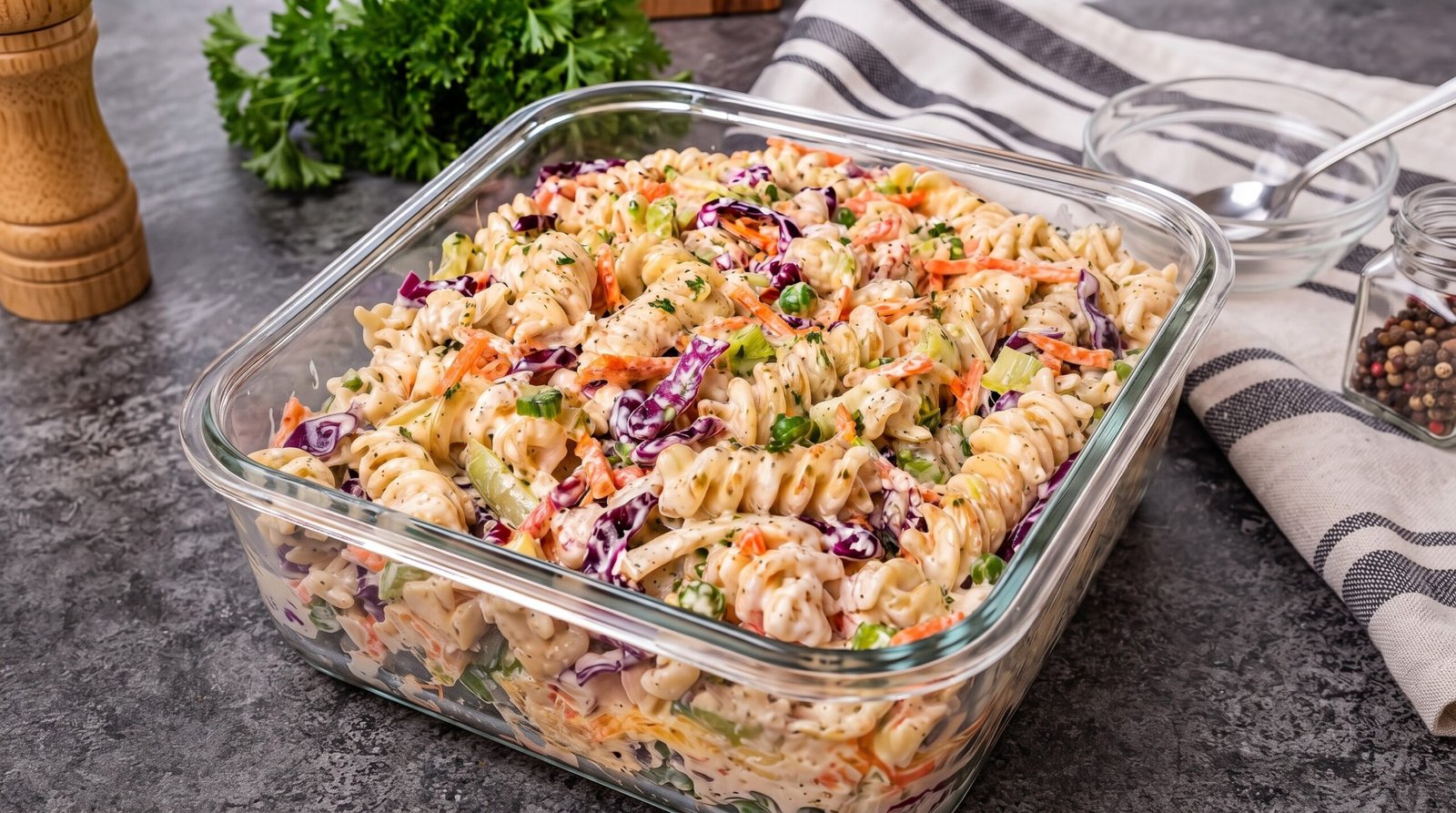
When I first started trying to feed my family during the busy summer months, I found myself relying on takeout far too often. It was easy, but it never felt satisfying or fresh. One Tuesday afternoon, looking at a half-bag of rotini and a few lonely vegetables in my crisper drawer, I decided to pull together a quick pasta salad. I wanted something that relied on simple pantry staples but still felt like a real meal. That experiment resulted in this creamy garden vegetable pasta salad, a dish that has become a staple in my house for potlucks, mid-week lunches, and weekend dinners. It is refreshing, hearty, and brings together textures that I really enjoy.
If you are looking for a straightforward dish that holds up well for a few days in the fridge and makes use of whatever fresh produce you have on hand, this recipe is for you. It relies on a classic creamy dressing that coats every spiral of the pasta, making sure you get a balanced bite of vegetables and noodles every time. It is not about fancy ingredients, but about the right balance of tangy, savory, and fresh components.
Why This Recipe Works
This recipe works because it relies on the geometry of the pasta. Using rotini or fusilli pasta is a choice I make intentionally every time. The spirals in the noodle are designed to trap the creamy dressing, which ensures that each mouthful is flavorful rather than dry. If you use a flat pasta like penne or bowtie, the dressing often slides off and pools at the bottom of the bowl. By choosing a spiral shape, you naturally maximize the amount of dressing that stays on your food.
The vegetables are chosen for their specific textures. I use carrots for a hint of sweetness and a snap of texture, celery for a refreshing crunch, and red cabbage for a bit of color and density. These vegetables hold their own against the dressing. They do not get mushy when they sit for a few hours, which is the main problem with many other pasta salads. A lot of people add cucumber, but I avoid it here because it releases too much water, which thins out the dressing and makes the salad watery after about an hour.
The dressing is the core of the flavor. I prefer a mix of mayonnaise and a touch of cider vinegar to cut through the richness. The vinegar provides a brightness that balances the fat in the mayonnaise. A little bit of sugar helps round out the acidity, and adding coarse black pepper provides a gentle heat. I never skip the fresh parsley, as it adds a clean, herbal note that distinguishes this salad from those made with overly processed, store-bought kits. It is a reliable, balanced dish that brings together soft, creamy, crunchy, and sharp elements in a single bite.
Ingredient Notes
The Base and Vegetables
The foundation of this salad is the pasta. I almost always use rotini. You can buy white or whole wheat, but the white pasta absorbs the dressing a bit better and has a neutral flavor that allows the vegetables to stand out. The vegetables should be as fresh as possible. The carrots should be firm and the celery should have a nice snap when you bend the stalk. Red cabbage provides that great pop of color. If you are shopping, look for heads of cabbage that feel heavy for their size, as this indicates they are dense and fresh.
The Dressing Ingredients
For the dressing, I stick to a high-quality mayonnaise. I usually keep a jar of regular full-fat mayonnaise in my pantry. If you use a light version, be aware that the dressing might separate a little more easily. The apple cider vinegar is my preference because it has a milder, fruitier profile compared to plain white vinegar. If you find the dressing is too thick, a tablespoon of water or even a little bit of lemon juice can thin it out. The sugar is optional, but I find that a small amount helps balance the bitterness sometimes found in raw cabbage and celery.
Seasonings and Herbs
Salt and black pepper are non-negotiable. I find that freshly cracked black pepper makes a bigger difference in this salad than pre-ground pepper. It adds a woody, aromatic quality that standard dust-like pepper lacks. Fresh parsley is my go-to herb. You can use curly or flat-leaf, but make sure it is finely chopped so it distributes evenly throughout the salad. If you have extra herbs, like chives or dill, they can work nicely, but stick to the parsley if you want to keep the flavor profile clean and focused.
| Ingredient | Amount | Notes |
|---|---|---|
| Rotini Pasta | 16 ounces | Dry weight |
| Carrots | 2 large | Finely julienned |
| Celery | 3 stalks | Thinly sliced |
| Red Cabbage | 2 cups | Shredded thin |
| Green Peas | 1 cup | Thawed frozen peas |
| Mayonnaise | 1 cup | Full fat is best |
| Apple Cider Vinegar | 2 tablespoons | Or white vinegar |
| Sugar | 1 tablespoon | Granulated |
| Black Pepper | 1 teaspoon | Freshly cracked |
| Salt | 1 teaspoon | Plus more to taste |
| Fresh Parsley | 0.5 cup | Finely chopped |
The Recipe
- Prep Time: 20 minutes
- Cook Time: 10 minutes
- Total Time: 30 minutes
- Servings: 8
- Difficulty: Easy
Equipment Needed:
– Large pot for boiling water
– Colander
– Large mixing bowl
– Small mixing bowl
– Whisk
– Sharp chef knife
– Cutting board
Step-by-Step Instructions
Step 1: Boiling the Pasta
Bring a large pot of water to a rolling boil over high heat. Add a generous tablespoon of salt to the water. Once boiling, add the rotini pasta. I set a timer for 9 minutes, which is usually right for al dente. You want the pasta to have a slight resistance when you bite into it because it will soften a little bit more once it is tossed with the dressing. Do not overcook the pasta, or it will break apart when you stir in the vegetables.
Once the 9 minutes are up, drain the pasta into a colander. Rinse the hot pasta immediately with cold running water for about 60 seconds. This is a critical step because it stops the cooking process and removes excess starch, which would otherwise make the salad gummy. Shake the colander well to remove as much moisture as possible, then transfer the pasta to your large mixing bowl.
Step 2: Preparing the Vegetables
While the water is coming to a boil, take your carrots, celery, and cabbage. Using a sharp chef knife, julienne the carrots into matchsticks about an inch long. This makes them easy to chew along with the pasta. Slice the celery stalks into thin half-moons. For the cabbage, I cut a quarter of a head and then slice it as thin as I possibly can. A thin slice creates a better texture in the salad compared to thick, chunky pieces.
Place the prepared vegetables into the bowl with your cooled pasta. Add the cup of frozen peas. If you forgot to thaw them, you can place them in a small sieve and run them under warm water for 30 seconds. Toss the vegetables and pasta gently with a large spoon to ensure they are well mixed before you add the dressing.
Step 3: Mixing the Creamy Dressing
In a separate small bowl, combine the mayonnaise, apple cider vinegar, sugar, salt, and black pepper. Use a whisk to combine everything until the dressing is perfectly smooth and the sugar is fully dissolved. Taste the dressing at this point. If you want it a bit sharper, add another teaspoon of vinegar. If you like it creamier, you can add another tablespoon of mayonnaise.
The dressing should have a pourable consistency. If it looks too thick, like a paste, add one teaspoon of water or vegetable broth to loosen it up. Remember that the pasta will soak up some of the dressing as it sits, so it is better to have a slightly more liquid consistency than a very thick one.
Step 4: Combining and Coating
Pour the prepared dressing over the mixture of pasta and vegetables in the large bowl. Using a silicone spatula or a large serving spoon, fold the salad carefully. Start from the bottom of the bowl and lift the pasta and vegetables up and over the dressing. Do this for at least 60 seconds or until every piece of pasta is coated and you no longer see large clumps of white dressing.
Once mixed, sprinkle the freshly chopped parsley over the top. Give the salad one more gentle toss to distribute the herbs. At this stage, the salad will look bright and well-coated. Avoid pressing down on the ingredients, as you want to keep the vegetables crisp and the pasta spirals intact.
Step 5: Chilling and Serving
Cover the large bowl with a clean kitchen towel or plastic wrap. Place the bowl in the refrigerator for at least 30 minutes before serving. This chilling time allows the flavors of the vinegar, black pepper, and parsley to meld with the pasta. It also helps the dressing thicken slightly, making the final dish much more cohesive.
When you are ready to eat, give the salad a quick stir. If it seems to have dried out while in the fridge, you can add a tiny splash of water or a tablespoon of olive oil to refresh it. Taste the salad one last time and add extra salt or pepper if needed. Serve it cold, directly from the fridge.
Mistakes I Made (So You Don't Have To)
Overcooking the Pasta
The biggest mistake I made when I first started making this was overcooking the pasta. If you leave it in the water for 12 or 13 minutes, the rotini becomes very soft and starts to tear apart when you try to stir in the crunchy vegetables. It makes the whole dish look messy and unappetizing. The fix is simple: check the pasta at the 8-minute mark. It should be firm to the bite. Once it reaches that point, drain it immediately.
Not Rinsing the Pasta
Early on, I would just drain the pasta and toss it into the bowl hot. This is a bad idea because the residual heat continues to cook the pasta, and the excess starch makes the surface of the noodles sticky. When you add the dressing, it clumps up instead of coating the individual spirals. Always rinse the pasta under cold water for at least a minute. This cools it down and washes away the surface starch, ensuring a clean, creamy texture.
Using Too Much Liquid
I once thought adding milk or cream would make the salad taste richer. It actually made the dressing far too thin and it pooled at the bottom of the bowl, leaving the top layer of the salad dry and flavorless. If you need to thin out the dressing, use a very small amount of water or lemon juice. The mayo has enough fat, and you do not need to add extra dairy to achieve a satisfying mouthfeel.
Cutting Vegetables Too Large
When I was in a rush, I used to cut the carrots and celery into large, thick chunks. These large pieces were hard to eat alongside the small rotini pasta, and they did not absorb the flavor of the dressing as well. A small, uniform dice or julienne works best. It ensures that you get a piece of vegetable in every forkful, which is the whole point of a vegetable pasta salad.
Variations and Tips
Add a Protein Boost
If you want to turn this into a heartier meal, you can add cooked, diced chicken breast or even canned chickpeas. If you use chicken, make sure it is cooked to an internal temperature of 165 degrees Fahrenheit. I prefer chickpeas because they add a nice earthiness that pairs well with the crunchy vegetables. If you add these, you might need a little extra dressing to account for the additional volume, so increase your dressing ingredients by about 20 percent.
Try Different Vegetables
You are not limited to the vegetables I used. Diced bell peppers provide a nice sweetness, and thinly sliced radishes add a sharp, spicy bite that contrasts well with the creamy dressing. Just make sure that whatever you add is sliced thinly. Hard vegetables like raw broccoli can also work if you chop the florets into tiny, bite-sized pieces. Avoid high-moisture vegetables like raw zucchini or cucumber unless you plan to eat the salad immediately, as they will water down the dressing.
Make-Ahead Convenience
This salad is actually better the next day. If you have guests coming over, you can prepare it in the morning or even the night before. Keep it in an airtight container in the refrigerator. The pasta will absorb some of the dressing, so you might want to prepare a half-batch of extra dressing to stir in right before serving to keep it nice and creamy. It stays fresh in the fridge for up to 3 days.
Herb Swaps
While I love parsley, this recipe is very forgiving with other herbs. If you have fresh dill, it adds a lovely, slightly tangy flavor that goes great with the vinegar. Fresh basil can be used for a slightly more Mediterranean flavor profile. If you choose to use basil, add it right before serving because it can darken if it sits in the dressing for too long. Always use fresh herbs rather than dried, as the dried versions do not have the same brightness.
Storage and Reheating
This pasta salad is meant to be served cold. After you are done eating, put any leftovers in an airtight container and place them back in the refrigerator within 2 hours. Because the dressing is mayonnaise-based, it is important to keep the temperature low to prevent bacterial growth. It will stay safe and tasty for up to 3 days.
Do not try to reheat this dish. The mayonnaise will separate and turn into an oily mess if you put it in the microwave or on the stove. If the salad has been in the fridge and feels a bit stiff, just leave it on the counter for about 10 minutes before serving to let the mayo soften slightly. If it feels too dry, add a tiny splash of cold water or a drizzle of olive oil to perk it up. Do not freeze this salad. The texture of the pasta changes when it freezes, and the dressing will completely break apart once it thaws, resulting in a separated, unappetizing liquid.
Frequently Asked Questions
Can I use a different type of pasta?
Yes, you can use any short pasta shape. Shells or bowties work fine, but I still believe rotini or fusilli are best because they capture the dressing. Avoid long noodles like spaghetti or linguine, as they are very difficult to toss with diced vegetables and will not provide the right texture for a salad. Whatever you use, keep the cooking time al dente.
Is this recipe safe for a picnic?
This salad is safe for a picnic if you follow proper food safety. Keep the bowl in a cooler with ice packs until the moment you are ready to serve. Because it contains mayonnaise, do not leave it sitting out in the sun for more than an hour. If you are worried about temperature, keep it in the shade and return it to the cooler as soon as everyone has served themselves.
Why did my dressing turn watery?
The most common reason for watery dressing is adding high-moisture vegetables like cucumbers or tomatoes. These release water as they sit with the salt. Also, if you do not rinse the pasta well, the hot, starchy water can mix with the mayo and thin it out. Ensure your vegetables are dry and your pasta is fully cooled before tossing everything together.
Can I make the dressing without sugar?
You can skip the sugar if you prefer, but it does help balance the tang of the vinegar and the earthiness of the vegetables. If you want to avoid granulated sugar, you can use a teaspoon of honey or maple syrup. If you prefer to omit it entirely, just taste the dressing and add an extra pinch of salt to help mask the acidity of the vinegar.
Can I add cheese to this?
Cheese is a wonderful addition to this salad. Small cubes of sharp cheddar or crumbled feta work very well. The saltiness of feta adds a nice punch, while cheddar brings a classic, mild flavor. Just remember that if you add salty cheese, you should reduce the amount of added salt in the dressing slightly to keep the flavors balanced. Add the cheese just before serving so it stays fresh.
Final Thoughts
Making this creamy garden vegetable pasta salad has taught me that simple meals are often the most rewarding. It doesn't require complex techniques or hard-to-find ingredients, just a little bit of attention to the details—like rinsing the pasta and keeping the vegetables crisp. I find that when I put this on the table, it disappears quickly because it strikes that balance of comforting and refreshing.
I hope this becomes a go-to for your own kitchen, whether you need a quick side dish or a satisfying lunch. Remember to taste as you go and adjust the seasoning until it hits the spot for you. It really is a flexible base, so don't be afraid to experiment with your own favorite vegetables. Enjoy the process of putting it together.