
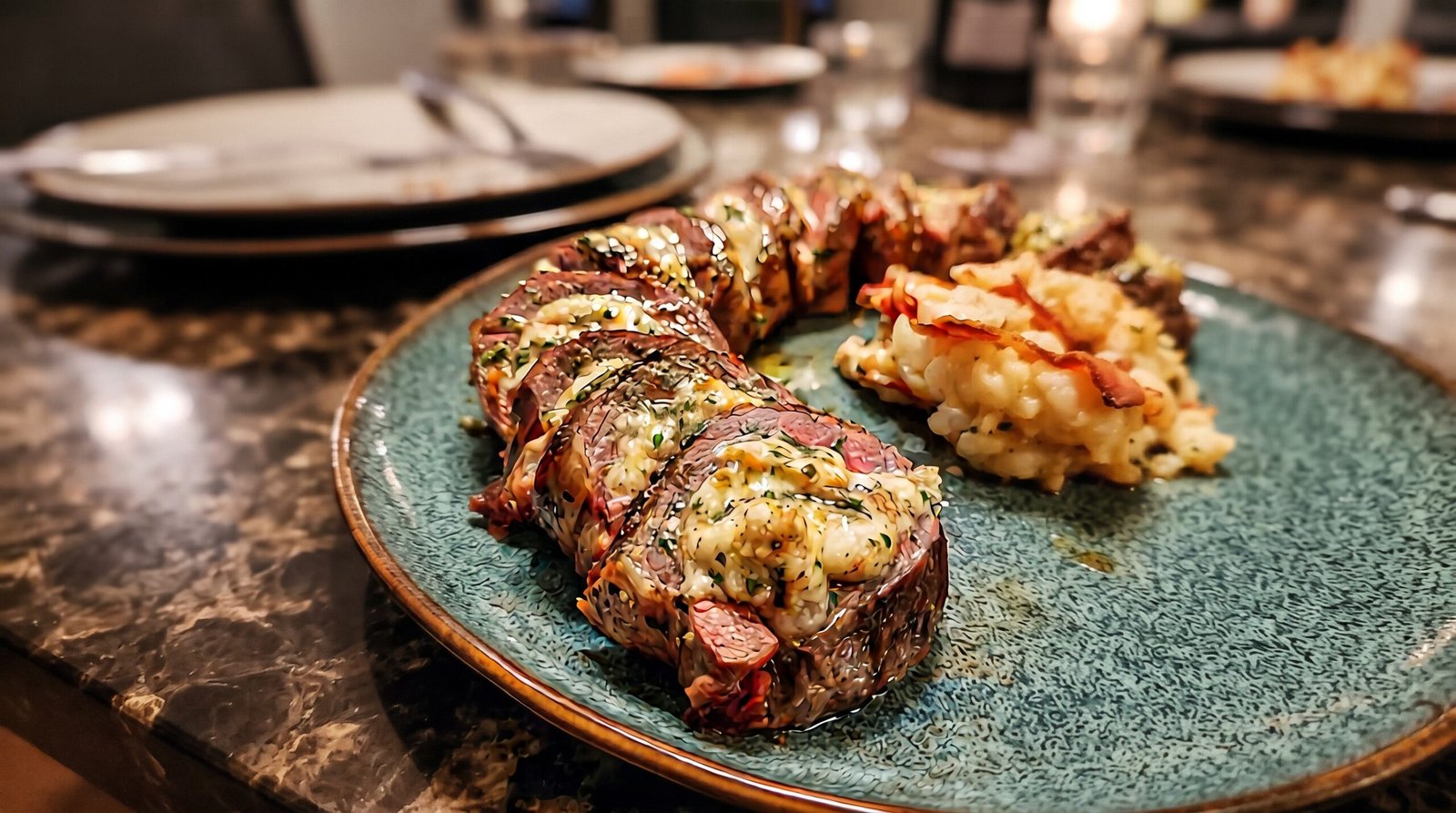
I remember the first time I tried to balance a surf and turf dinner at home on a Tuesday night. I had two different pans going, my stove was crowded, and I was honestly worried that my steak would be cold before the scallops were finished. It felt like I needed four hands to manage everything. After a few attempts, I learned that the secret is keeping things simple and focusing on the timing. This garlic herb butter steak and scallop combination is my go-to when I want a restaurant-style meal without the stress of managing a dozen different components. You end up with tender, seared meat and succulent seafood that pairs together in a way that feels special but remains approachable for any home cook.
When you bring this dish together, you get the richness of the butter sauce clinging to the steak and the clean, sweet flavor of the scallops. It is a hearty meal that relies on quality ingredients rather than complicated techniques. I have found that sticking to a consistent heat and not moving the protein around too much in the pan is the key to getting that nice sear on the outside without overcooking the inside. If you have been looking for a way to treat yourself to something nice after a long week, this setup is about as reliable as it gets.
Why This Recipe Works
This recipe works because it focuses on high-heat searing for both the beef and the shellfish. By cutting the beef into thick, bite-sized medallions, you maximize the surface area that gets a good sear while the center stays tender. The scallops are cooked quickly in the same pan, which allows them to pick up all those juices and browned bits left behind by the steak. This saves you from having to scrub an extra pan and infuses the entire dish with a deep, savory flavor.
The garlic herb butter is another reason this is a staple in my kitchen. It is not just a condiment; it acts as a finishing glaze. Since the butter is loaded with fresh herbs and aromatics, it creates a self-basting effect once you toss it in at the final minute of cooking. The fat from the butter helps carry the flavors of the garlic and herbs into every nook and cranny of the steak and the scallops, softening the edges of the sear and making the meat taste indulgent.
Another advantage is the speed. Because the beef medallions are uniform, they cook in about four to five minutes total. Scallops are even faster, taking barely two minutes per side. When you combine them, the total active cooking time is minimal. You can have this on the table in under thirty minutes, which is helpful when you are tired but still want something better than takeout. It feels refined without requiring hours of preparation or complex sauces that might separate or break.
Finally, the versatility of this meal is worth noting. You can adjust the amount of garlic based on what you have on hand, and you can swap out the herbs for whatever is growing in your garden or available in your pantry. Whether you use flat-leaf parsley, thyme, or rosemary, the fundamental technique remains the same. You are essentially building layers of flavor in a single skillet, which is a method that rarely fails if you keep a close eye on your heat levels and timing throughout the process.
Ingredient Notes
The Beef
For the steak portion, I recommend a tender cut that holds up well to searing. Sirloin or tenderloin medallions are great choices because they cook quickly and remain soft. When you are at the store, look for meat that has a bit of marbling, which is those little white flecks of fat throughout the muscle. This provides moisture. You want to slice the beef into pieces about one inch thick. If the pieces are too thin, they will cook through before they get a nice exterior color. If they are too thick, you might have to leave them in the pan too long.
The Seafood
I prefer sea scallops for this, as they are larger and heartier. When you buy them, try to find dry-packed scallops. These have not been treated with chemicals that make them soak up water, so they will sear properly instead of steaming in the pan. If you can only find wet-packed scallops, make sure you pat them dry with paper towels very thoroughly. Even a little bit of moisture on the outside will prevent the crust from forming. Check that the small, tough side muscle has been removed, too, as it can be chewy.
The Aromatic Butter
The butter blend is what ties everything together. Use unsalted butter so you can control the amount of salt in the dish. Fresh garlic is non-negotiable here, as it provides a sharp bite that mellows out as it hits the hot butter. For herbs, I usually stick to a combination of fresh parsley and a little bit of dried thyme or rosemary. You want the herbs to be finely chopped so they distribute evenly across the surface of the steak and scallops. A small splash of lemon juice at the end brightens everything up.
| Ingredient | Amount | Notes |
|---|---|---|
| Beef medallions | 1 pound | Cut into 1-inch thick pieces |
| Sea scallops | 10-12 ounces | Large, dry-packed preferred |
| Unsalted butter | 4 tablespoons | Divided into two parts |
| Garlic | 4 cloves | Minced finely |
| Fresh parsley | 2 tablespoons | Chopped |
| Olive oil | 2 tablespoons | High smoke point oil |
| Salt | To taste | Sea salt works best |
| Black pepper | To taste | Freshly cracked |
| Lemon juice | 1 teaspoon | Freshly squeezed |
The Recipe
- Prep Time: 10 minutes
- Cook Time: 10 minutes
- Total Time: 20 minutes
- Servings: 2 people
- Difficulty: Easy
Equipment needed:
– One large cast-iron skillet or heavy-bottomed stainless steel pan
– Tongs
– Paper towels
– Cutting board and sharp knife
Step-by-Step Instructions
Step 1: Prep the Proteins
Start by taking the steak and scallops out of the refrigerator about fifteen minutes before you plan to cook. This takes the chill off, which helps them cook more evenly. Use paper towels to pat the steak pieces and the scallops completely dry. This is the most important part of the process because if the meat is wet, it will steam rather than sear when it hits the pan. Season both sides of the steak and the tops and bottoms of the scallops with a generous pinch of salt and cracked black pepper.
Step 2: Sear the Steak
Place your skillet over medium-high heat. Add the olive oil and wait until it shimmers. Carefully place the steak medallions into the pan, making sure they do not touch each other. You want some space between them so the air can circulate. Let them cook for about three minutes on the first side without moving them. You are looking for a deep brown, firm crust to develop. Flip the steak pieces with your tongs and cook for another two to three minutes for medium-rare. Use a meat thermometer to check; they should reach 130 to 135 degrees Fahrenheit. Remove the steak from the pan and set it on a warm plate.
Step 3: Cook the Scallops
Lower the heat slightly to medium. If the pan looks dry, add a tiny bit more oil. Add the scallops, giving them enough room so they are not crowded. Press them down gently with the back of your tongs if they are not sitting flat. Let them cook undisturbed for about two minutes. You want to see a golden-brown crust forming around the bottom edge. Flip them carefully and cook for one to two minutes on the other side. They should be opaque and firm to the touch but still tender inside.
Step 4: Make the Herb Butter
Once the scallops are cooked, turn the heat down to low. Add two tablespoons of butter directly to the pan. As it melts, throw in the minced garlic and the herbs. The garlic should sizzle gently but not brown or burn, as that makes it taste bitter. Move the scallops around in this bubbling herb butter so they are coated. Once the garlic is fragrant, about thirty seconds to one minute, return the steak to the pan for just a few seconds to warm through and soak up some of that butter.
Step 5: Finish and Serve
Turn off the heat completely. Drizzle the lemon juice over the entire pan. Give everything one final toss to ensure the steak and scallops are coated in the juices and herb butter. Transfer everything to a serving platter, making sure to scrape all that extra garlic butter from the bottom of the pan over the meat. Serve immediately while the butter is still warm and liquid.
Mistakes I Made (So You Don't Have To)
Overcrowding the Pan
My biggest mistake when I first started making this was trying to cook too much at once. If you put too many pieces of meat in the pan, the temperature drops rapidly. Instead of searing, the juices release into the pan, and you end up with grey, steamed beef. The fix is to cook in batches if your pan is not large enough to hold everything in a single layer. It takes a few extra minutes, but the result is much better.
Burning the Garlic
I used to add the garlic at the same time I added the oil for searing the meat. Garlic burns very quickly at high temperatures. Burnt garlic turns black and ruins the flavor of the butter. Now, I always wait until the very end of the cooking process to add the garlic. By adding it to the butter in the final minute, the garlic softens and becomes sweet without becoming acrid.
Using Wet Scallops
I once bought scallops that were packed in liquid without reading the label carefully. No matter how much I tried to sear them, they just swam in their own juice. I had to let them cook much longer than necessary, which made them rubbery. Now, I always check for dry-packed scallops. If I have to use others, I set them on several layers of paper towels for twenty minutes before cooking, changing the towels once they get soaked.
Forgetting to Rest the Steak
I used to serve the steak the moment it came out of the pan. Because the meat is hot, the juices are still moving around inside. When you cut into it, all that moisture runs out onto the plate, leaving you with dry meat. Now, I make sure the steak rests on the warm plate for at least three to four minutes while I finish the scallops. This allows the juices to redistribute back into the fibers.
Variations and Tips
Swapping the Herbs
You can change the flavor profile of the butter by swapping out the herbs. Fresh tarragon works well with the sweetness of scallops, while rosemary gives the beef a more rustic, earthy taste. I often use a mix of whatever I have in the fridge. The key is to keep the ratio of herbs to butter consistent so that you have enough green bits to coat the meat.
The Butter Base
If you want a richer sauce, you can use a high-fat European-style butter. It has less water content and a higher milk-fat percentage, which creates a much creamier, more decadent sauce for the steak. I also like to add a pinch of red pepper flakes to the butter if I want a little bit of heat to contrast with the savory garlic and the sweetness of the scallops.
Make-Ahead Tip
You can chop your garlic and herbs hours ahead of time and keep them in a small container. When you are ready to cook, all you have to do is turn on the stove. I have even pre-portioned the butter, garlic, and herbs into a small bowl so I can just dump it into the pan once the searing is done. This makes the final step of the recipe very quick.
Alternative Cooking Surface
If you do not have a cast-iron skillet, a heavy-bottomed stainless steel pan works perfectly. Avoid using non-stick pans if you can, because they do not hold heat as well and you will not get that deep, beautiful crust on your steak. If you only have non-stick, you just have to be extra patient and keep the heat at a steady, high level, but be careful not to let the surface get too hot.
Storage and Reheating
If you have leftovers, store them in an airtight container in the refrigerator within two hours of cooking. Because this dish contains butter and seafood, it is best eaten within two days. Seafood can be tricky with quality, so I usually aim to finish it the next day for the best flavor.
To reheat, the best way is to use a pan on the stove over low heat. Add a tiny splash of water or a small knob of butter to the pan to help steam it back to life. Heat it until the steak is warmed through and the scallops are just hot; be very careful not to overcook them, or the scallops will become tough. I do not recommend freezing this dish, as the texture of the scallops changes significantly once thawed and reheated.
Frequently Asked Questions
How do I know if my scallops are cooked?
Scallops should be opaque, meaning they are no longer translucent, and they should feel firm but still have a bit of bounce when pressed gently. If they feel extremely firm or rubbery, they have been overcooked. A good visual cue is to look at the side; once the center is milky white and the edges are golden, they are ready to come out of the pan.
Can I use salted butter instead of unsalted?
You can, but you will need to adjust the amount of extra salt you add to the steak and scallops. Salted butter has a varying amount of sodium depending on the brand, so it is safer to start with unsalted butter so you have full control over the seasoning. If you only have salted butter, taste the butter as it melts before you add it to the dish and season accordingly.
Is it safe to eat medium-rare steak?
Yes, it is generally considered safe if the steak is properly seared on the outside. Since bacteria usually live on the surface of whole cuts of meat, the high-heat searing process kills them. I use a digital meat thermometer to ensure the internal temperature of the beef is at least 130 degrees Fahrenheit, which ensures it is cooked through but stays tender and juicy.
What should I serve with this meal?
This dish is quite rich, so I like to serve it with something acidic or crisp. A simple green salad with a sharp vinaigrette or some steamed asparagus with a squeeze of lemon are great choices. The brightness of the vegetables cuts through the butter and helps balance the meal. Crusty bread is also a must, as it is perfect for soaking up the remaining garlic herb butter from the pan.
Why did my butter turn dark brown?
If your butter turns dark brown or black before the garlic is ready, the heat is likely too high. Once you add the butter to the pan, the temperature will drop, but you should move to a low flame immediately. If it starts to smell like toasted nuts, that is brown butter, which is fine, but if it smells burnt, you should start over, as the flavor will be bitter.
Final Thoughts
Making a meal like this at home is a great way to practice your skills with a skillet. It is simple, but it requires you to pay attention to the details, like drying the meat and timing your heat. Once you get the hang of it, you will find that you can pull off this kind of dinner without much stress at all.
Enjoy the process of searing the steak and watching that herb butter come together. It is a satisfying way to cook, and the results are consistently good. Grab some good bread, maybe a glass of something you like, and enjoy your hard work.