
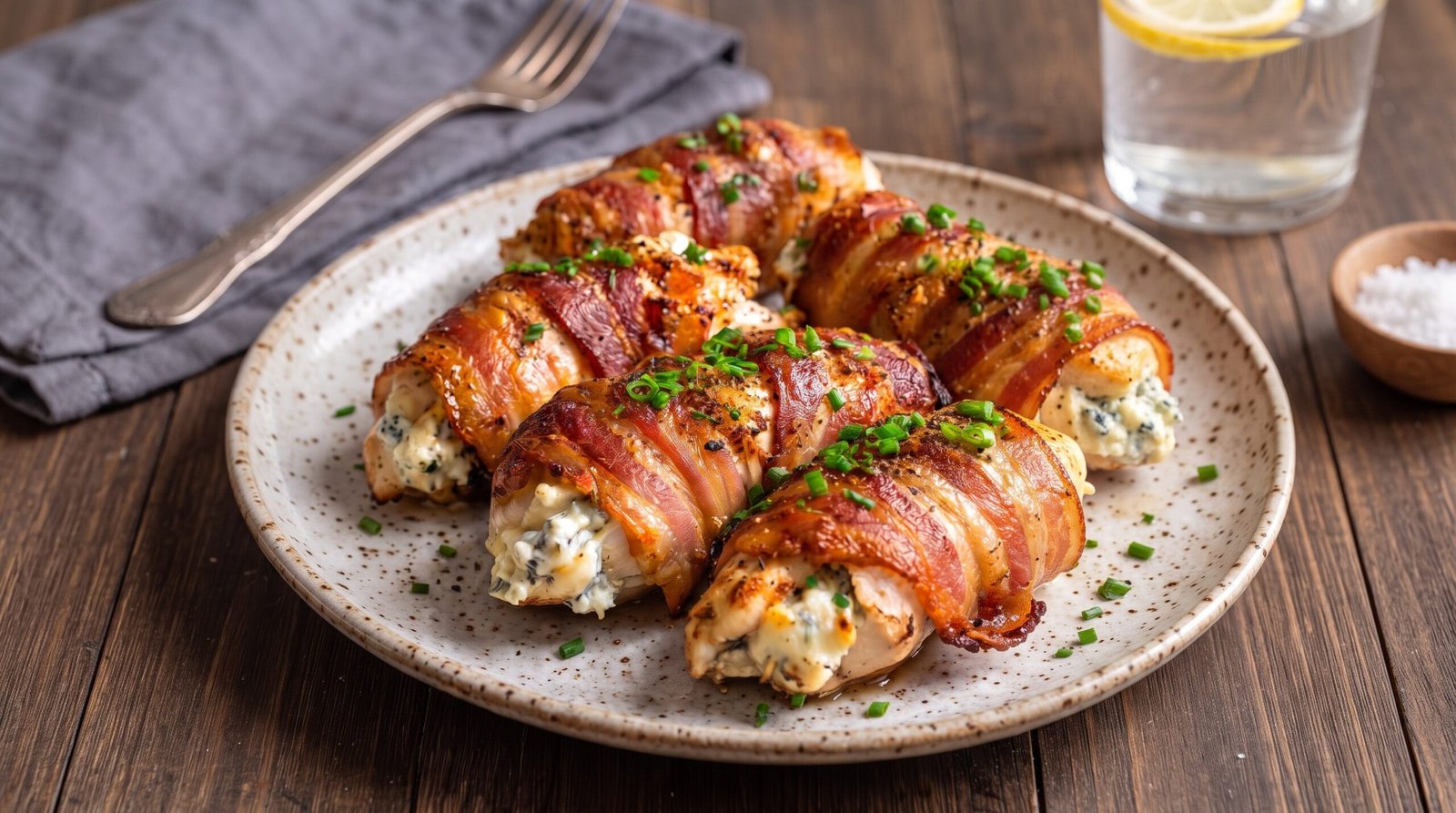
I remember the first time I tried to make dinner after a particularly long day at work. I was exhausted, the fridge felt empty, and I just wanted something hearty that didn't require standing over the stove for an hour. I reached for some chicken breasts and a block of cream cheese, thinking I would just toss them in the oven. That evening, I stumbled upon the idea of rolling the cheese into the meat and wrapping it in bacon to keep everything moist. It turned out to be a reliable, comforting dinner that hits the spot every single time.
Making bacon wrapped cream cheese stuffed chicken breasts is a straightforward process that rewards you with savory, rich flavors. Since the bacon provides a self-basting effect, you do not have to worry about the chicken drying out, which is a common problem with white meat. If you are looking for a satisfying meal that feels like a bit of a treat but stays simple enough for a Tuesday night, this is exactly what you need.
Why This Recipe Works
This dish succeeds because it balances lean protein with rich, flavorful fats. Chicken breast is versatile but can be bland and prone to overcooking. By stuffing it with cream cheese, you introduce moisture and a tangy flavor profile that works well with the mild meat. The cream cheese melts into the center as the chicken cooks, creating a creamy texture that contrasts with the meat. It acts as an internal basting mechanism, helping the breast stay juicy even if it accidentally stays in the oven for a few minutes too long.
Then there is the bacon. Using thinly sliced smoked bacon serves two purposes. First, it adds a layer of salt and smokiness that permeates the outer surface of the chicken. Second, it acts as a protective shield. As the fat from the bacon renders, it drips over the meat, adding flavor and ensuring that the exterior stays moist instead of turning tough or dry. This technique is quite forgiving, making it a great choice for home cooks who are still learning how to gauge the exact moment chicken is done.
The combination of these elements creates a balanced bite. You get the saltiness from the cured pork, the creaminess from the cheese, and the structural integrity of the chicken. It is a hearty, substantial dish that pairs well with simple sides like steamed broccoli or a green salad. Because it does not require a complex sauce or extensive prep, it is a very efficient way to get a high-quality dinner on the table.
Ingredient Notes
The Chicken and Bacon
The quality of your protein is the foundation of this dish. You want to look for boneless, skinless chicken breasts that are roughly the same size so they finish cooking at the same time. If some are very thick, you might need to butterfly them or pound them slightly to flatten them out. As for the bacon, avoid thick-cut strips. Thinly sliced bacon is essential because it needs to crisp up and render its fat within the time it takes for the chicken to cook through. If the bacon is too thick, it will remain chewy while the chicken overcooks, or it will require so much heat that the chicken becomes dry.
The Filling
The filling is simple but impactful. A standard block of cream cheese should be softened at room temperature for about thirty minutes before you start. This makes it much easier to spread or pipe into the chicken. You can enhance the filling with fresh herbs like chives or parsley, which add a bright, fresh note to balance the richness of the cheese. A pinch of garlic powder or black pepper in the cream cheese also helps create a deeper flavor profile. Do not overstuff the chicken, as the cheese will leak out if there is too much pressure on the seam.
Seasoning and Garnish
For the outside, a simple blend of salt, black pepper, and perhaps a touch of smoked paprika is enough. Remember that the bacon is already quite salty, so go easy on the added salt. The garnish is optional but recommended; fresh chives or green onions scattered over the top provide a pop of color and a mild onion crunch that cuts through the fat of the dish.
| Ingredient | Amount | Notes |
|---|---|---|
| Chicken Breasts | 4 pieces | Boneless, skinless, similar size |
| Cream Cheese | 8 ounces | Softened to room temperature |
| Bacon | 8 to 12 strips | Thinly sliced for best results |
| Chives | 2 tablespoons | Finely chopped for filling and garnish |
| Garlic Powder | 1 teaspoon | For the cream cheese mixture |
| Black Pepper | 1/2 teaspoon | Freshly cracked is best |
| Salt | 1/4 teaspoon | Use sparingly due to bacon |
The Recipe
- Prep Time: 15 minutes
- Cook Time: 30 minutes
- Total Time: 45 minutes
- Servings: 4
- Difficulty: Easy
Equipment needed:
– Baking sheet
– Parchment paper
– Sharp chef knife
– Cutting board
– Meat thermometer
– Small mixing bowl
Step-by-Step Instructions
Step 1: Prep the Filling
Start by placing the softened cream cheese in a small bowl. Add the finely chopped chives, garlic powder, and a dash of black pepper. Use a fork to whip the mixture until it is smooth and the seasonings are evenly distributed. Having the cream cheese at the right temperature is key here; if it is too cold, it will not combine well, and if it is too hot, it will be messy to work with.
Step 2: Prepare the Chicken
Take your chicken breasts and lay them flat on the cutting board. Using a sharp knife, carefully cut a pocket into the side of each breast. Be sure to stop about an inch away from the other side so you do not cut the meat in half completely. You want a secure pouch that will hold the cheese inside without it oozing out as it heats up in the oven.
Step 3: Stuff and Wrap
Take a tablespoon or two of your prepared cream cheese mixture and gently press it into the pocket of each chicken breast. Do not overstuff, as the space inside the meat will constrict as it cooks. Once the cheese is inside, close the pocket as best you can. Take two or three strips of bacon and wrap them tightly around the chicken, starting at one end and overlapping the strips slightly. Secure the ends of the bacon with a small toothpick if you find the bacon is trying to unroll.
Step 4: Season and Bake
Place the bacon-wrapped chicken on a baking sheet lined with parchment paper, ensuring the bacon seams are facing downward. This helps the bacon stay in place as it renders. Lightly sprinkle the tops of the chicken with a little more black pepper. Place the tray into an oven preheated to 400 degrees Fahrenheit. Let the chicken bake for 25 to 30 minutes. You want the bacon to look browned and slightly crisp, and the chicken must reach an internal temperature of 165 degrees Fahrenheit.
Step 5: Check and Serve
Use a meat thermometer to check the thickest part of the chicken, avoiding the cream cheese filling. Once it hits the safe 165 degree mark, take the pan out of the oven. Let the chicken rest on the tray for about five minutes. This resting period allows the juices to redistribute and the cheese to set slightly, making it much easier to slice without a huge mess. Sprinkle with extra fresh chives before serving.
Mistakes I Made (So You Don't Have To)
Overstuffing the Chicken
Early on, I thought more cheese was always better. I would cram as much cream cheese as I could into the chicken breast. Every single time, the filling would leak out into the bottom of the pan, burning and making a smoky mess in my kitchen. The fix is simple: use only about one to two tablespoons of filling per breast. Leave a bit of room so you can seal the edges.
Using Thick-Cut Bacon
I once bought thick-cut bacon thinking it would be heartier. Because it is so much thicker, it took much longer to render. By the time the bacon was cooked to a proper texture, the chicken breasts were dry and rubbery. Stick to thin-cut bacon; it crisps up at the same rate the chicken cooks, giving you a better balance.
Skipping the Toothpicks
I used to think toothpicks were unnecessary, but I quickly learned that the bacon would often pull away from the chicken as the fat rendered. This left the chicken exposed and dry. Now, I always use a few toothpicks to anchor the bacon strips to the chicken. Just remember to tell everyone at the table that they are there so nobody accidentally bites into one.
Not Using a Thermometer
I used to rely on visual cues like the color of the meat, but that often led to undercooked or overcooked chicken. Since chicken breasts vary in size, you cannot guess the timing accurately. Using a meat thermometer is the only way to be sure. Pulling the chicken at 165 degrees Fahrenheit ensures it is safe to eat while remaining moist and tender.
Variations and Tips
Add Some Heat
If you like things a little spicy, try adding a half-teaspoon of crushed red pepper flakes or a dash of hot sauce to your cream cheese filling. It gives the dish a nice kick that complements the salty bacon and the savory chicken. Jalapenos finely diced can also be folded into the cream cheese for an extra crunch.
Use Different Cheeses
While plain cream cheese is the classic choice, you can swap it for herb-flavored cream cheese if you are in a rush. Another option is to mix a little shredded cheddar or parmesan into the cream cheese for a more complex flavor profile. Just keep in mind that harder cheeses will melt differently, so keep the ratio in favor of the cream cheese for that creamy center.
Make-Ahead Strategy
You can assemble these stuffed breasts a few hours ahead of time and keep them in the refrigerator until you are ready to bake. This is a life-saver on busy days. Just make sure to cover the plate tightly with plastic wrap. When you are ready to eat, take them out of the fridge about 15 minutes before putting them in the oven to take the chill off.
Cooking Method Alternatives
If you do not want to use the oven, you can cook these in an air fryer at 375 degrees Fahrenheit for about 20 to 22 minutes. You might need to cook them in batches depending on the size of your air fryer basket. The high-speed convection air makes the bacon especially crisp, though you must monitor the temperature closely as the air fryer can cook things faster than a conventional oven.
Storage and Reheating
If you have leftovers, they are perfectly fine for a few days. You must refrigerate the cooked chicken within two hours of taking it out of the oven. Place the pieces in an airtight container to keep them from drying out in the fridge. They will stay good for up to three days. Do not try to freeze this dish, as the cream cheese filling does not hold its texture well after being frozen and thawed, often becoming grainy and watery.
To reheat, the best method is the oven or a toaster oven. Set it to 350 degrees Fahrenheit and heat the chicken until it is steaming hot, which usually takes about 10 to 12 minutes. You want to make sure it reaches 165 degrees Fahrenheit internally to ensure it is safe to consume. Avoid the microwave if possible, as it tends to make the bacon soft and chewy rather than crisp.
Frequently Asked Questions
Can I use chicken thighs instead of breasts?
Yes, you can use boneless, skinless chicken thighs. They are actually a bit more forgiving than breasts because they have a higher fat content, which keeps them moist. The cooking time will be similar, but keep a close eye on the thermometer as thighs are usually smaller and may cook a few minutes faster than a large breast.
What should I serve with this?
This dish is quite rich, so it pairs well with light, acidic, or fresh sides. A simple green salad with a vinaigrette dressing is a great choice. Roasted vegetables like asparagus or green beans also work nicely. If you want something more substantial, a side of roasted potatoes or a light rice pilaf is a good addition.
Why does my bacon fall off?
Bacon tends to shrink as it cooks. If you don't wrap it tightly or tuck the ends under, it can pull away from the chicken. Using a toothpick to secure the end of the bacon strip to the underside of the chicken breast is the most reliable way to prevent this. Always place the seam side down on the baking sheet as well.
Is there a way to make this without dairy?
The cream cheese is the main component of the filling, so substituting it is difficult. There are plant-based cream cheese alternatives available in most stores that can be used in this recipe. Follow the same steps as you would with dairy cream cheese. The texture may be slightly different, but the flavor profile should remain similar enough to satisfy your craving.
Should I marinate the chicken first?
You don't need to marinate the chicken because the stuffing and the bacon provide plenty of moisture and flavor. Marinating might actually make the exterior of the chicken too wet, which would prevent the bacon from crisping up properly. If you want extra flavor, just season the outside of the chicken with a dry rub before wrapping it in bacon.
Final Thoughts
Bacon wrapped cream cheese stuffed chicken breasts are a wonderful way to elevate a standard ingredient like poultry. It is one of those meals that feels fancy enough for guests but is simple enough to put together when you are just trying to get dinner on the table after a long shift. The way the bacon crisps up while the cheese melts inside never gets old.
Once you master the basic technique of wrapping and stuffing, you will find yourself experimenting with different herbs and spices. It is a reliable recipe that I go back to whenever I need a reminder that cooking for myself does not have to be complicated to be satisfying. Enjoy your meal and take the time to appreciate the simple pleasure of a well-cooked dinner.