
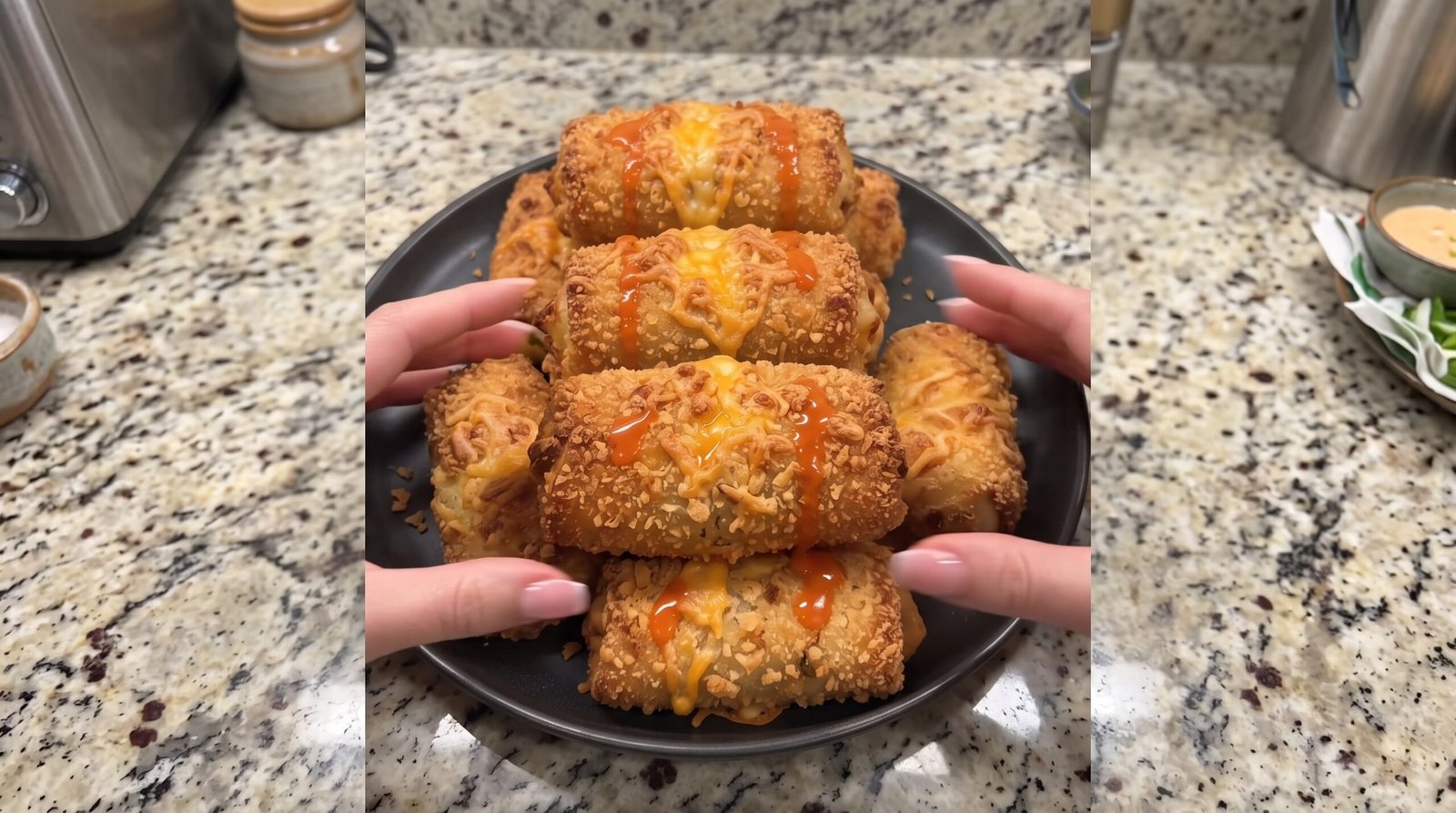
There is something about having friends over on a weekend that makes me want to spend time in the kitchen. Usually, I end up trying to balance a main course with a bunch of different side dishes, and I end up stressed out. Lately, I have been leaning toward appetizers that feel like a full meal but are easy enough to grab and eat while chatting. These buffalo chicken egg rolls are exactly what I need. They have that familiar heat from the buffalo sauce, plenty of shredded chicken, and a coating that gets firm and golden in the oil. It is a satisfying way to start a gathering, and I find that they disappear much faster than anything else I put on the table.
If you are looking for a snack that hits all the right notes for a game day or a casual hangout, this is it. These egg rolls are stuffed with a mixture of cooked chicken, cream cheese, and enough buffalo sauce to keep things interesting. You fry them until the wrappers are browned and firm. When you take a bite, you get the contrast of the hot filling against the crisp shell. This guide will walk you through making them from scratch in your own home kitchen.
Why This Recipe Works
The main reason I rely on this recipe is the reliability of the texture. When you work with store-bought egg roll wrappers, the key is to get them into the oil at the right temperature. Because the filling is already cooked, you are really just heating the inside and cooking the dough. This means you do not have to worry about whether the meat inside is ready, provided you start with pre-cooked chicken. It saves me so much time when I have a busy schedule.
The flavor profile is balanced because the cream cheese tames the sharp vinegar in the buffalo sauce. Without the cheese, the sauce might be too aggressive for a snack. The cheese adds a layer of richness that sticks to the chicken, making every bite consistent. I also find that using a bit of shredded cheddar inside or on top creates an extra layer of gooey texture that makes the eating experience better.
These rolls are also forgiving. If you have a few rolls that look a bit uneven, they still taste the same. You do not need professional folding skills to make them look appetizing. As long as you seal the edges with a bit of water, they hold together well in the hot oil. I have made these for many years and have found that sticking to a simple process helps keep the stress levels low.
Another reason this recipe is a staple for me is the versatility of the chicken. You can use rotisserie chicken from the store or cook a few breasts in advance. If you have leftovers from a previous meal, they work just as well as fresh chicken. This reduces waste and keeps my grocery budget in check. The preparation is straightforward, and clean-up is minimal if you use a deep-sided pan or a dedicated fryer.
Finally, the cooking time is short. Because you are shallow-frying or deep-frying these, they only take about three to four minutes per batch. This means you can feed a group of four or five people in under thirty minutes. It is a win for anyone who wants to spend less time standing over a stove and more time actually enjoying the company of their guests.
Ingredient Notes
The Filling Base
To get the right texture for the filling, you need shredded chicken that is not too wet. If the chicken has too much broth or water, the egg rolls will become soggy from the inside out. I recommend using cooked breast meat or thigh meat that has been chilled, as it shreds more easily and holds its shape better.
- Cooked Chicken: 2 cups. Shredded or finely chopped, skinless.
- Cream Cheese: 8 ounces. Softened to room temperature so it mixes evenly.
- Buffalo Sauce: 1/2 cup. Use your favorite brand that has a balance of vinegar and spice.
- Shredded Cheddar: 1 cup. Adds a bit of bite and holds the filling together.
The Wrapping and Coating
The wrappers are the most important part of the structure. You can find these in the refrigerated section of almost any supermarket. They are usually near the tofu or the fresh produce.
- Egg Roll Wrappers: 1 package. Usually contains 20 to 25 wrappers.
- Vegetable Oil: 4 cups. For frying. You need an oil with a high smoke point like canola or peanut oil.
- Water: 1/4 cup. This acts as the glue for the edges of the wrappers.
Optional Additions and Toppings
If you want to customize the flavor, you can add small amounts of other ingredients. Keep in mind that adding too many chunky ingredients can make the rolls difficult to seal.
- Green Onions: 2 tablespoons. Thinly sliced for a fresh onion flavor.
- Ranch or Blue Cheese Dressing: 1/4 cup. Served on the side for dipping.
- Extra Buffalo Sauce: For drizzling over the top once the rolls are out of the oil.
The Recipe
- Prep Time: 25 minutes
- Cook Time: 15 minutes
- Total Time: 40 minutes
- Servings: 4 to 5 people
- Difficulty: Intermediate
- Tools Needed:
- Large mixing bowl
- Small bowl for water
- Heavy-bottomed pot or deep fryer
- Thermometer
- Tongs
- Baking sheet with wire rack
| Ingredient | Amount | Notes |
|---|---|---|
| Shredded Chicken | 2 cups | Pre-cooked and cooled |
| Cream Cheese | 8 oz | Softened |
| Buffalo Sauce | 1/2 cup | Plus extra for drizzle |
| Shredded Cheddar | 1 cup | Sharp variety works best |
| Egg Roll Wrappers | 1 package | About 20 count |
| Vegetable Oil | 4 cups | For frying |
| Water | 1/4 cup | To seal wrappers |
Step-by-Step Instructions
Step 1: Prepare the Filling
In a large mixing bowl, combine your shredded chicken, the softened cream cheese, the buffalo sauce, and the shredded cheddar. Use a spatula to fold everything together until it is uniform. I like to make sure the cream cheese is fully incorporated so there are no large clumps.
Taste a small portion of the mixture at this point. If you want more heat, you can stir in a splash more buffalo sauce. Keep in mind that the sauce will intensify slightly once it hits the hot oil, so do not go overboard. Set this bowl aside while you clear some space on your counter for rolling.
Step 2: Set Up the Wrapping Station
Layout your wrappers on a clean, dry surface. Take your small bowl of water and keep it nearby. You will use your finger or a small pastry brush to wet the edges of each wrapper before folding. This is the step where most people get impatient, but taking your time here ensures that your rolls stay sealed in the hot oil.
Place a spoonful of the chicken mixture, about two tablespoons, into the center of a wrapper. Do not overfill them, as the wrappers can tear if the pressure is too high. If you find the mixture is getting warm, pop the bowl back in the fridge for ten minutes.
Step 3: Rolling the Egg Rolls
To roll, take the bottom corner of the wrapper and fold it over the filling. Tuck it tightly so there is no air gap. Then, fold the two side corners toward the center. This creates a shape that looks like an envelope.
Continue rolling upward until you reach the top corner. Dip your finger in the water and run it along the edge of the final corner. Press down firmly to seal. Set the finished roll on a tray while you work through the rest of the batch. Make sure the seam side is facing down so it does not pop open.
Step 4: Heating the Oil
Pour your vegetable oil into a deep, heavy pot. You want the oil to be at least two inches deep so the rolls can float freely. Use your thermometer to check the temperature. You are looking for a steady 350°F. If the oil is too cold, the rolls will soak up grease and become heavy. If it is too hot, the outside will burn before the inside is hot.
Keep a close eye on the temperature as you work. The oil will fluctuate as you add the rolls. I usually only fry three or four at a time to keep the oil temperature from dropping too drastically. If it dips below 330°F, wait a minute before adding the next batch.
Step 5: Frying the Egg Rolls
Carefully lower the rolls into the hot oil using your tongs. Do not drop them from too high, or you will splash hot oil on your hands. Let them fry for about three to four minutes. You want them to reach a golden brown color all over.
Rotate them halfway through the cooking time if they are not submerged. Once they are colored and firm, lift them out and place them on a wire rack over a baking sheet. The rack helps keep the bottoms from getting soggy. Let them sit for two minutes to cool down slightly. The internal temperature of the filling should be at least 165°F to ensure it is hot enough to eat.
Step 6: Finishing Touches
Once they have cooled slightly, you can drizzle a bit more buffalo sauce over the top of each roll. If you like extra texture, sprinkle a little more shredded cheddar over the top while they are still warm, and it will melt into the sauce. Serve them immediately while they are hot.
If you have extra buffalo sauce, put it in a small bowl on the side for dipping. These are best served with a cold drink, as the heat from the buffalo sauce can build up after a few bites. Everyone usually reaches for these while they are still steaming.
Mistakes I Made (So You Don't Have To)
Overfilling the Wrappers
One of the first times I made these, I was greedy. I stuffed way too much chicken into the middle. When I went to roll them, the wrappers stretched and tore. When they hit the oil, the filling leaked out, which made the oil messy and turned the shells into a greasy disaster. The fix is simple: use two tablespoons of filling, max. You want the wrapper to have a bit of slack so you can fold it neatly without straining the dough.
Cooking at the Wrong Temperature
I once thought that higher heat would mean faster cooking. I cranked my burner up and the oil got too hot. The outside of the egg rolls went from pale to dark brown in under thirty seconds. Inside, the cream cheese hadn't even melted. I had to toss the whole batch. Now, I always use a thermometer to keep the oil between 345°F and 355°F. If you don't have a thermometer, you can test it by dropping a small piece of wrapper in; it should bubble steadily but not aggressively.
Not Sealing the Edges
I used to skip the water on the edges because I thought the stickiness of the cheese would hold it together. I was wrong. Without a proper water seal, the rolls unraveled immediately upon hitting the oil. Now, I make sure to dampen the entire outer edge of the wrapper with water. I press it down hard with my thumb to ensure it is tight. It makes a huge difference in the final shape and prevents the filling from escaping.
Crowding the Pot
When you are hungry or have guests waiting, it is tempting to dump all the egg rolls into the pot at once. This cools the oil down way too fast. When the oil temp drops, the wrappers act like a sponge and absorb all that grease. The result is a heavy, oily mess. I learned to cook in small batches. It takes a little longer, but the texture is so much better. The rolls turn out crisp and light instead of dense and oily.
Variations and Tips
Air Fryer Method
If you want to avoid using a large amount of oil, the air fryer is a solid alternative. Preheat your air fryer to 375°F. Brush the assembled egg rolls lightly with oil on all sides. Place them in the basket in a single layer, ensuring they are not touching. Cook them for eight to ten minutes, flipping them halfway through. They will be firm and have a nice color, though the texture will be slightly different than traditional frying.
Making Them Ahead of Time
You can definitely prep the filling a day in advance and keep it in the fridge. You can even roll the egg rolls up to four hours before you plan to fry them. If you do this, lay them on a tray and cover them with a slightly damp paper towel so the wrappers do not dry out and crack. Do not store them in the fridge for more than a few hours before frying, or the moisture from the filling will soften the wrappers and make them tear when you try to move them.
Adding Crunch
If you want extra texture inside the roll, try adding finely diced celery. It is a classic pairing for buffalo chicken. Just make sure the celery pieces are very small, or they will poke through the wrapper. The crunch of the fresh celery against the hot, creamy chicken is a nice touch. I have also tried adding a tiny bit of blue cheese crumbles to the mix for a bolder flavor.
Freezing for Later
These freeze well if you handle them right. Freeze the unbaked, rolled egg rolls on a tray until they are solid, then transfer them to a freezer bag. When you want to eat them, you can fry them directly from frozen. Just add an extra minute or two to the cooking time and be careful, as the frozen rolls might cause the oil to splatter more. Always check that the internal temperature reaches 165°F before serving.
Storage and Reheating
If you have leftovers, do not let them sit out on the counter. Once they cool down to room temperature, put them in an airtight container and store them in the fridge. They will stay safe to eat for up to three days. I have found that they lose their crispness the longer they sit, so I try to eat them within 24 hours.
To reheat, the best way is in the oven or an air fryer. Place them on a rack in a 375°F oven for about eight to ten minutes. This helps the exterior regain some of its texture. I do not recommend the microwave, as it makes the wrapper turn soft and chewy, which is not pleasant for this specific dish. Ensure they are steaming hot throughout before eating, reaching an internal temperature of at least 165°F.
Frequently Asked Questions
Why are my egg rolls getting soggy after frying?
This usually happens because the oil temperature is too low. When the oil isn't hot enough, the dough absorbs the grease instead of crisping up. Make sure your oil is at 350°F before you start. Also, always place the cooked rolls on a wire rack rather than a paper towel, as a paper towel can trap steam underneath the roll and cause it to soften quickly.
Can I use a different type of cheese?
Yes, you can. While cheddar is the classic choice for buffalo chicken, you can swap it for Monterey Jack or even a mix of mozzarella and provolone. The goal is to use a cheese that melts well and binds the chicken mixture. Stay away from cheeses that are too dry, like aged parmesan, as they won't provide the creaminess that this recipe relies on.
Is there a way to make these without deep frying?
You can bake them in the oven, though the result will be a bit closer to a crispy pastry than a fried egg roll. Brush each roll generously with oil and bake at 400°F for about fifteen to twenty minutes, flipping them once halfway through. It is a good way to avoid the mess of frying, but keep in mind that the color won't be as uniform as it is in the oil.
My wrappers keep tearing while rolling. What should I do?
If the wrappers are tearing, they might be getting too dry. Keep them under a clean, damp towel while you are not using them. Also, make sure the filling is not too cold or stiff, as pushing cold, hard cream cheese into a thin wrapper can cause it to rip. If you find a hole, you can take a small piece of another wrapper, use a little water, and patch it like a sticker before frying.
How do I know when the inside is fully cooked?
Since the chicken is already cooked before you start, you are really just making sure the filling is hot and the wrapper is crispy. You can use a kitchen thermometer to check the center of one of the rolls to ensure it reaches at least 165°F. If you are comfortable, you can also just watch the timing; three to four minutes in properly heated oil is almost always enough to get the center hot and gooey.
Final Thoughts
Making these at home is far easier than people think. Once you get the hang of the rolling technique, it becomes a simple process that you can do while listening to music or chatting with a friend. I love that this dish brings a bit of restaurant flavor into my own kitchen without requiring any complicated ingredients or long hours of labor.
Give this recipe a try the next time you need a snack that keeps everyone happy. It is a great way to use up leftover chicken and satisfy those cravings for something spicy and filling. Just keep an eye on your oil temperature, seal your edges well, and enjoy the result.