
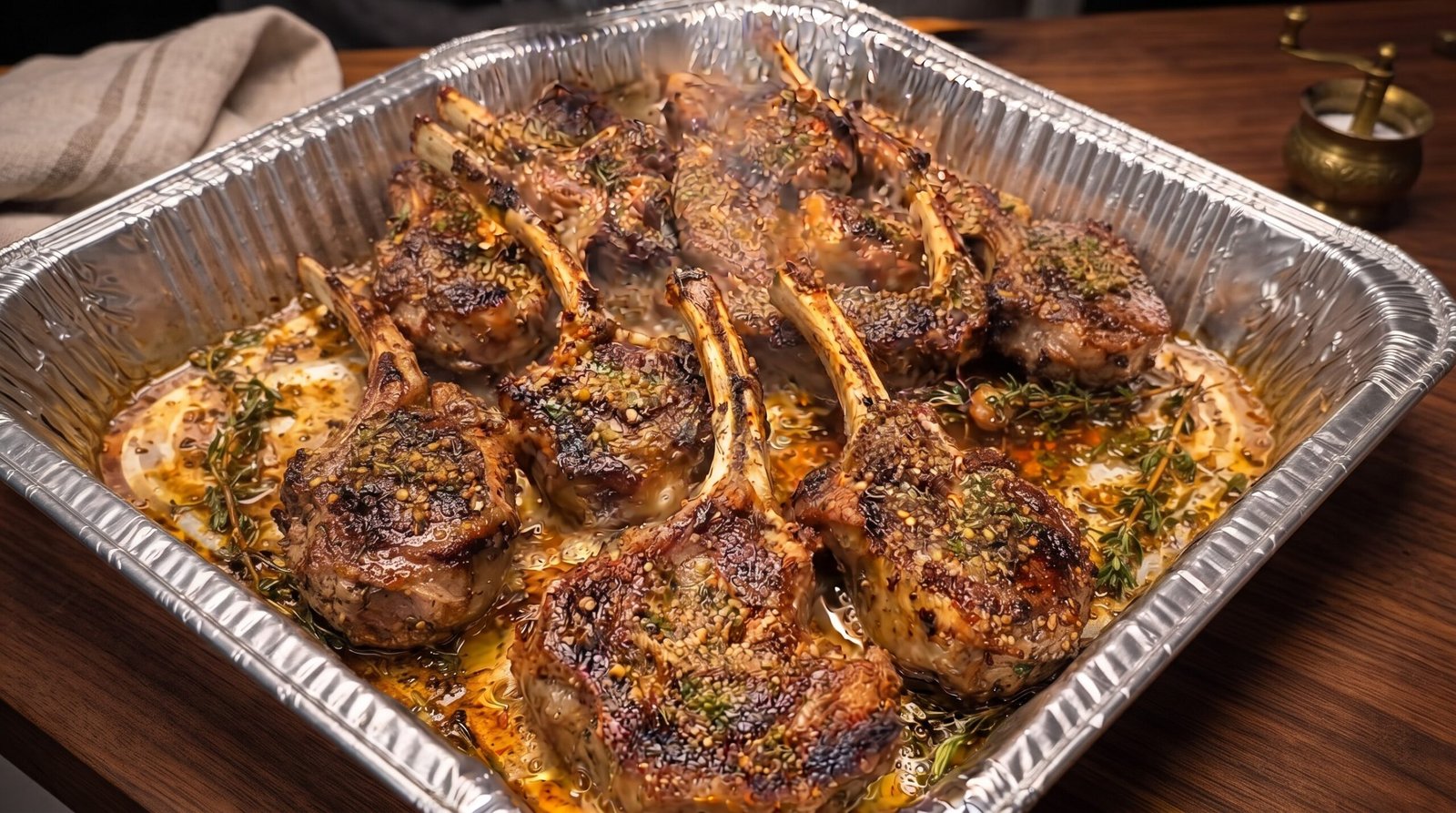
I remember the first time I tried to cook lamb chops at home. I was nervous because they are not the cheapest cut of meat at the grocery store, and I was terrified of turning them into expensive, chewy leather. I had guests coming over for dinner, and I wanted something that looked impressive but did not require me to spend hours standing over the stove while my friends were out in the living room having a drink without me. I decided to keep it simple, sticking to classic flavors like garlic and fresh herbs, and I found that by using both the stovetop and the oven, I could get that deep, savory crust I really enjoy without overcooking the delicate centers.
Learning to cook these herb roasted lamb chops changed how I approach dinner parties. They look sophisticated on the plate, but the actual work involved is minimal once you learn the timing. By following a few basic steps, you can turn a humble pack of meat into a centerpiece that everyone enjoys. If you have been hesitant about cooking lamb in your own kitchen, this method will give you the confidence you need to try it out on your next busy weeknight or weekend gathering.
Why This Recipe Works
This recipe works because it respects the structure of the meat. Lamb chops are relatively small and thin, which means they can go from raw to overcooked in a heartbeat if you are not paying attention. By starting with a quick sear in a hot pan, we create a flavorful, browned exterior that adds a lot of character to the dish. This initial step builds the foundation of the flavor. After the sear, we move the pan into the oven for a short time to ensure the middle reaches the right temperature. This combination of heat sources means we get a nice, firm outer layer while keeping the inside tender and juicy.
The use of fresh herbs and garlic is another reason this approach is effective. Lamb has a distinct, earthy taste that stands up well to bold aromatics. Using fresh rosemary and thyme adds a bright, floral note that cuts through the richness of the meat. Minced garlic, when cooked in the hot fat of the chops, turns sweet and nutty, coating every bite in a layer of savory goodness. The herbs do not just flavor the meat; they scent the entire kitchen in a way that feels welcoming and homey.
Finally, this method is straightforward because it uses very few pieces of equipment. You really only need a heavy-bottomed skillet and an oven-safe dish. This keeps cleanup easy, which is a major win in my book. You do not have to worry about complicated marinades that burn or long prep times that keep you away from your family. It is a reliable, repeatable way to prepare a high-quality meal that feels like you spent a lot more effort than you actually did.
Ingredient Notes
The Lamb
When shopping for lamb chops, look for ones that are labeled as loin chops or rib chops. Rib chops are often smaller and have a single bone, which makes them very tender and easy to handle during cooking. You want to look for meat that has a deep red color with a good amount of white, firm fat on the edges. If the fat looks yellow or soft, that is usually a sign that it is not as fresh as it could be. Avoid chops that look grey or have too much moisture sitting in the package. If you can, ask the butcher to trim them slightly, but don't overdo it, as some fat is needed for the flavor.
Herbs and Aromatics
Fresh herbs are non-negotiable here. Dried herbs tend to be too woody and just do not have the same vibrant impact on a dish that relies on a quick cooking time. Rosemary and thyme are the classic partners for lamb, but you can also use oregano if that is what you have on hand. For the garlic, fresh is definitely best. Do not use the pre-minced jars you find in the refrigerated aisle, as they often have a vinegary aftertaste that ruins the subtle flavor of the lamb. Use a fresh head of garlic and mince the cloves yourself with a sharp knife just before you start cooking.
Pantry Essentials
For the cooking fat, I recommend using a high-heat oil like grapeseed, avocado, or a light olive oil. Avoid extra virgin olive oil for the initial sear, as it has a lower smoke point and will burn quickly, leaving a bitter taste. You will also need a good amount of salt and cracked black pepper. Kosher salt is best for seasoning meat because the larger grains make it easier to distribute evenly. Check your labels on any store-bought seasonings or butter to make sure they fit your dietary needs if you are cooking for guests with restrictions.
| Ingredient | Amount | Notes |
|---|---|---|
| Lamb rib chops | 8 pieces | Look for consistent thickness |
| Kosher salt | 1 tablespoon | Adjust to your taste |
| Black pepper | 1 teaspoon | Freshly cracked is best |
| Avocado oil | 2 tablespoons | For the sear |
| Fresh rosemary | 3 sprigs | Removed from stems |
| Fresh thyme | 3 sprigs | Stems removed |
| Garlic cloves | 4 cloves | Finely minced |
| Unsalted butter | 2 tablespoons | For finishing |
The Recipe
- Prep Time: 10 minutes
- Cook Time: 12 minutes
- Total Time: 22 minutes
- Servings: 4
- Difficulty: Intermediate
Equipment Needed:
– Large cast-iron skillet or stainless steel pan
– Meat thermometer
– Tongs
– Cutting board
– Sharp knife
Step-by-Step Instructions
Step 1: Prep and Temper the Meat
Take your lamb chops out of the refrigerator about 20 to 30 minutes before you plan to cook them. This is a small but essential step that helps the meat come up to room temperature. If you put cold meat into a hot pan, the temperature drops instantly, and the meat will steam instead of forming that delicious, deep crust we want. While the lamb sits, use a paper towel to pat the surface of each chop very dry. Moisture is the enemy of a good sear, so make sure they are bone dry on both sides.
Step 2: Season Generously
Once the chops are dry, sprinkle them generously with the kosher salt and freshly cracked black pepper on both sides. Don't be afraid to season the edges as well, especially where there is fat. This is your only chance to get flavor into the meat, so make sure every inch is covered. Rub the salt and pepper into the surface gently with your fingers. This helps the seasoning stick to the meat and prevents it from falling off when you place the chops into the pan.
Step 3: Heat the Pan
Place your skillet over medium-high heat. Add the avocado oil and let it heat up for about 2 to 3 minutes. You will know it is ready when the oil begins to shimmer slightly. Do not let it reach the point where it is smoking heavily, but it needs to be quite hot. Carefully place the lamb chops into the pan. You should hear a distinct, aggressive sizzle the moment the meat touches the hot metal. If you don't hear that sound, stop and wait another minute for the pan to get hotter.
Step 4: The Initial Sear
Cook the chops for about 3 to 4 minutes on the first side without moving them. This patience is key. If you try to flip them too soon, they will stick to the pan and you will lose the crust you are trying to build. Once the bottom is a deep, golden brown color, flip them carefully using your tongs. Cook for another 3 minutes on the second side. You should see a consistent brown color developing all over the meat. Use the tongs to hold the chops upright for a few seconds to render the fat on the edge if it looks thick.
Step 5: Add Aromatics and Butter
Lower the heat to medium and toss in the butter, minced garlic, rosemary, and thyme. As the butter melts, it will begin to bubble and foam. Tilt your pan slightly so the melting butter pools at the bottom with the herbs and garlic. Use a large spoon to scoop this fragrant mixture and baste the tops of the chops repeatedly for the final 2 to 3 minutes of cooking. This infuses the lamb with the flavor of the garlic and herbs while finishing the cooking process.
Step 6: Check Temperature and Rest
Check the thickest part of the chop with a meat thermometer. For medium-rare, you are looking for an internal temperature of 125°F. Remember that the temperature will continue to rise by about 5 degrees after you take them out of the pan. Once they reach the right temperature, remove the chops from the pan and place them on a warm plate or cutting board. Let them rest undisturbed for at least 5 to 7 minutes. This resting period allows the juices to redistribute throughout the meat, ensuring that every bite is tender rather than dry.
Mistakes I Made (So You Don't Have To)
Overcrowding the Pan
The first time I made these, I tried to fit all eight chops into one pan. I thought I was being efficient, but what happened was a disaster. The pan temperature plummeted, the moisture could not escape, and the chops ended up boiled in their own juices instead of getting that beautiful brown exterior. The fix is simple: cook in batches. Use two pans if you need to, or just accept that cooking in two rounds will give you much better results. Never let the meat touch one another in the pan.
Skipping the Tempering Step
I used to be impatient and take the lamb straight from the fridge to the pan. This resulted in a grey, bland crust and a center that was still cold and raw even when the outside looked ready. I learned that taking the time to let the meat reach room temperature for 20 minutes is not optional. It allows the heat to penetrate the meat more evenly, which is critical for a thin cut like a lamb chop. Now, I make sure to pull the meat out as soon as I start setting up my other ingredients.
Using the Wrong Oil
I once tried to use butter from the start because I love the flavor. However, I didn't realize that butter burns at high temperatures. My kitchen filled with acrid smoke, and the crust on the lamb turned black and bitter within seconds. Now, I always start with a high-smoke point oil like avocado oil and save the butter for the very end of the cooking process. Using butter as a finishing baste provides that rich, nutty flavor without the risk of burning your dinner.
Cutting Too Soon
I used to be so hungry that I would slice into the meat the second it left the pan. When I did that, all the juices ran out onto the cutting board, leaving me with dry, tough meat. Resting is not just a suggestion; it is a vital part of the cooking process. Five to seven minutes of waiting gives the fibers in the lamb time to relax and hold onto the moisture. Once I started respecting that resting time, the difference in the texture was obvious.
Variations and Tips
Try a Lemon Gremolata
If you want to add a bright finish to the rich flavor of the lamb, consider making a simple gremolata. Mix together some finely chopped parsley, lemon zest, and a little bit of minced garlic. Sprinkle this over the lamb chops right before serving. The acidity of the lemon cuts right through the fat and creates a fresh balance. It is a simple addition, but it makes the dish look and taste like something from a high-end bistro.
Adjust the Herbs
While rosemary and thyme are my go-to choices, you can experiment with what you have in your garden. Sage works well with lamb, though it has a much stronger flavor, so use it sparingly. If you want a bit of heat, add a pinch of red pepper flakes to the pan when you add the butter. This provides a subtle kick that pairs nicely with the earthiness of the lamb. Always taste your herbs first to make sure they are fresh and not too woody.
The Make-Ahead Trick
If you are hosting a dinner party, you can do the heavy lifting beforehand. Prep your herb and garlic mix, and make sure the chops are seasoned. You can sear the chops about an hour before guests arrive, but keep them slightly under-done. When you are ready to eat, pop them into a 350°F oven for 5 minutes to heat through. This saves you from being stuck at the stove while everyone else is chatting.
Use a Cast Iron Skillet
If you have a heavy cast-iron skillet, use it. It retains heat better than any other pan, which is vital for getting a consistent sear on all your chops. Because cast iron holds temperature so well, the pan will not lose heat when you add the cold meat. If you do not have cast iron, a thick-bottomed stainless steel pan is your next best option. Avoid thin non-stick pans as they just do not get hot enough to create the crust we want.
Storage and Reheating
If you happen to have leftovers, which is rare in my house, they can be stored safely in the refrigerator. Make sure you place them in an airtight container within 2 hours of cooking. They will stay fresh for up to 3 days in the fridge. Do not try to freeze cooked lamb chops if you can avoid it, as the texture becomes very dry and tough once it is thawed and reheated. It is much better to eat them within those few days.
When it comes time to reheat, do not use the microwave. The microwave will make the meat rubbery and unevenly heated. The best way to reheat these is to place them in a skillet over low heat with a tiny splash of water or broth. Cover the pan with a lid and let them steam for a few minutes until they are heated through. You want to bring them to an internal temperature of 165°F to ensure they are safe, but keep the heat low so you don't overcook them.
Frequently Asked Questions
How do I know when the lamb is done?
The most reliable way to check for doneness is with a meat thermometer inserted into the thickest part of the chop, away from the bone. For medium-rare, aim for 125°F. If you prefer medium, go for 135°F. Do not rely on color alone, as the depth of the sear can be deceptive. A thermometer removes all the guesswork and ensures you don't end up with overcooked, tough meat.
Can I cook these on the grill instead of the stove?
Yes, you can absolutely grill these. If you choose to grill, make sure your grill is very hot. Sear the chops directly over the flames for about 3 minutes per side. Since you don't have the pan to baste them in butter, you can brush them with a mixture of melted butter and herbs right before you take them off the heat. Keep the same resting rule of 5 to 7 minutes to ensure the juices stay inside.
What should I serve with these chops?
Lamb is quite rich, so it pairs best with sides that have a bit of acid or earthiness. Roasted root vegetables like carrots or parsnips are classic. A simple arugula salad with a bright lemon vinaigrette also works wonders to cut through the richness of the meat. You could also serve it with some creamy mashed potatoes or a light grain salad like quinoa with fresh herbs. Keep the side dishes simple so the flavor of the lamb remains the main event.
Why does my lamb taste gamey?
Some people find the natural taste of lamb to be a bit strong or gamey. If this bothers you, make sure to trim off any excess fat from the edges before cooking, as that is where most of the strong flavor resides. Also, using fresh herbs like rosemary and thyme helps to mask that earthiness. If you are very sensitive to the taste, marinating the chops in a little olive oil, lemon juice, and garlic for an hour before cooking can help soften the flavor profile.
Is it safe to leave the meat out to temper?
Yes, it is perfectly safe to let the lamb sit out at room temperature for up to 30 minutes before cooking. Any longer than that is not recommended for food safety reasons, especially in a warm kitchen. This brief window is enough to take the chill off the meat, which helps it cook more evenly without the danger of bacterial growth. Always return the meat to the refrigerator if you decide to delay cooking for longer than 30 minutes.
Final Thoughts
Cooking herb roasted lamb chops is one of those skills that makes you feel like a pro in your own home. Once you understand the importance of a hot pan, resting the meat, and using fresh aromatics, you will find yourself reaching for this recipe whenever you want to treat yourself to something special. It is a straightforward process that rewards you with bold, savory results.
Do not be discouraged if your first attempt is not exactly what you hoped for. Cooking is a practice, and even I still find myself adjusting the heat or the timing depending on the thickness of the chops. Just keep the temperature in mind, use your thermometer, and most importantly, enjoy the time you spend in your kitchen.