
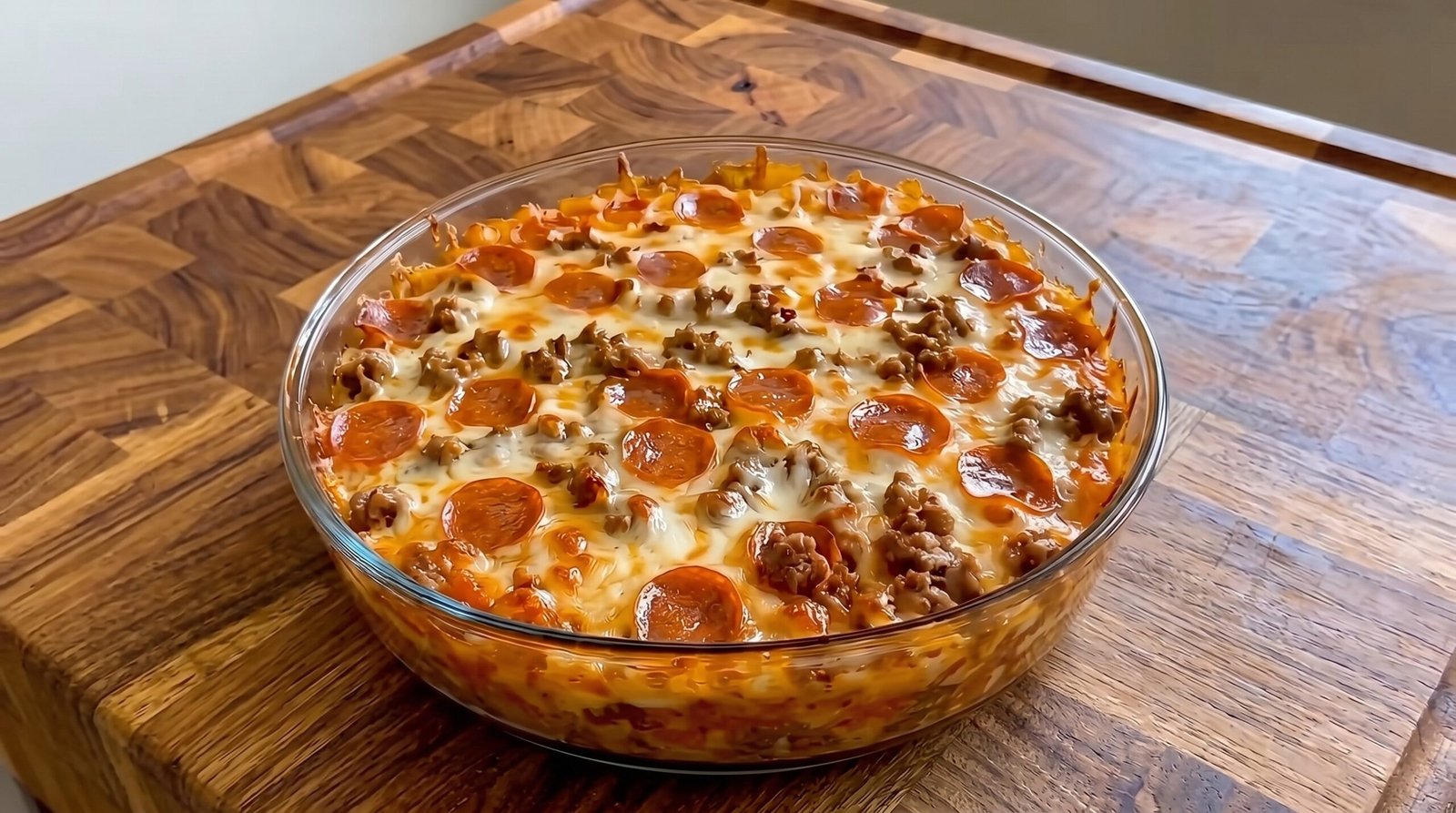
I used to struggle with what to make for dinner on those nights when the kitchen feels like the last place I want to be. Between clearing off the counters and deciding what to pull out of the freezer, the hours just seem to vanish. This pepperoni and sausage pasta bake has become my go-to solution because it feels hearty, brings everyone to the table, and handles the chaos of a busy evening with ease. It is the kind of meal that relies on pantry staples and a few reliable fridge favorites to transform into something warm and satisfying.
When you are tired of plain noodles with jarred sauce, this version adds depth through savory sausage and the slightly salty, crisp edges of pepperoni. It is a straightforward comfort food that does not require fancy techniques or expensive cuts of meat. You can assemble it while the oven preheats, and the resulting meal is consistent every time you bring it out of the oven. This guide walks you through the steps to get this bubbling pasta dish ready for your own table.
Why This Recipe Works
This meal succeeds because it balances textures that keep every bite interesting. The pasta stays tender, but the cheese on top creates a layer that is slightly firmer and provides that classic baked flavor we all look for. Because the sauce is baked with the pasta and proteins, the noodles absorb the seasoning from the sausage and the oils released by the pepperoni. This fusion of flavors happens naturally as the dish sits in the hot oven for twenty-five minutes.
Another reason this recipe fits into a weekly rotation is its forgiving nature. You do not need to be a professional to get the cheese melted just right or the sausage cooked through. The dish also holds its heat well, which is helpful if someone is running a few minutes late to dinner. It does not turn into a dried-out mess if it sits on the counter for a few minutes after coming out of the oven.
The ingredient list remains simple. Using pre-cooked or easy-to-brown sausage keeps the labor down, and common mozzarella is the only cheese you really need to create that stretch and golden finish. By using a baking dish, you move from the stovetop to the oven quickly, which minimizes the number of pots and pans you have to wash later in the evening. It is a classic approach that prioritizes efficiency without sacrificing the experience of a home-cooked meal.
Ingredient Notes
Pasta and Base
The foundation of this dish is the pasta itself. I prefer using a short shape like penne or fusilli because these shapes hold the sauce inside their ridges and holes. Long noodles like spaghetti can become tangled during the baking process and are harder to serve from a deep dish. You need exactly one pound of dry pasta. Boil it for two minutes less than the box says for al dente. This ensures the noodles do not become mushy when they finish cooking in the oven with the sauce.
Proteins
For the meat, use a mix of ground Italian sausage and sliced pepperoni. The sausage provides the bulk of the flavor and seasoning. You can buy the sausage in casings and remove them, or purchase it in bulk packs. Make sure to break the meat into small, even pieces in the pan so it distributes well throughout the pasta. As for the pepperoni, use the standard round slices you find at any grocery store. They will curl up slightly as they bake, which creates little pockets of flavor.
Sauce and Cheese
The sauce is a simple marinara. You can use your favorite store-bought jar, or if you have extra time, a homemade tomato sauce works fine. Aim for about twenty-four ounces of sauce. If the sauce looks too thick in the jar, add a splash of water to loosen it up. The cheese is the most important part of the top layer. Use low-moisture, part-skim mozzarella. This type of cheese melts evenly without releasing too much water. You will need about three cups of shredded cheese. Buying a block and grating it yourself helps it melt smoother than the pre-shredded bags which often have anti-caking additives.
| Ingredient | Amount | Notes |
|---|---|---|
| Penne Pasta | 1 pound | Dry weight |
| Italian Sausage | 1 pound | Bulk or out of casing |
| Pepperoni Slices | 4 ounces | Standard thin rounds |
| Marinara Sauce | 24 ounces | Jarred or homemade |
| Mozzarella Cheese | 3 cups | Freshly shredded |
| Olive Oil | 1 tablespoon | For the pan |
| Dried Oregano | 1 teaspoon | Optional seasoning |
The Recipe
- Prep Time: 15 minutes
- Cook Time: 25 minutes
- Total Time: 40 minutes
- Servings: 6 to 8 people
- Difficulty: Easy
Equipment Needed
- Large stockpot for boiling pasta
- Large skillet for browning meat
- Colander
- 9×13 inch glass baking dish
- Cheese grater
- Wooden spoon
Step 1: Preheat and Prep
Start by setting your oven to 375 degrees Fahrenheit. Ensuring the oven is fully heated before you put the dish in is crucial for the cheese to melt and brown without the pasta underneath overcooking. While the oven warms up, take your block of mozzarella cheese and grate it using the large holes of a box grater. Set the cheese aside in a bowl. Check that you have all your other ingredients ready within reach, as the process moves quickly once you start the stove.
Step 2: Cook the Pasta
Fill your large stockpot with water and bring it to a boil. Add a generous pinch of salt to the water. Once it is boiling, add your one pound of dry pasta. Set a timer for two minutes less than the suggested cooking time on the packaging. You want the pasta to have a slight bite to it, known as al dente. Because the pasta will sit in sauce and bake in the heat of the oven, it will soak up more moisture. If you cook it all the way through on the stove, it will likely turn soft and lose its structure during the final stage.
Step 3: Brown the Sausage
While the water is boiling, heat one tablespoon of olive oil in a large skillet over medium-high heat. Add your ground Italian sausage to the pan. Use your wooden spoon to break the sausage into small, bite-sized crumbles. You want to cook the meat until it is no longer pink and begins to develop a deep brown color on the edges. This should take about six to eight minutes. If there is an excessive amount of grease in the pan, carefully drain it off, but leave a little bit of the fat as it carries a lot of the flavor for your sauce.
Step 4: Mix the Ingredients
Once your pasta is done, drain it well in your colander. Return the pasta to the pot or dump it into a large mixing bowl. Add the browned sausage and about two-thirds of your marinara sauce to the cooked pasta. Toss everything together until every noodle is coated in the red sauce and the meat is evenly distributed. Adding the sauce now ensures that the pasta is flavored throughout, rather than just on the top layer. Taste a single noodle to see if it needs more salt or pepper, though the sausage usually adds enough seasoning.
Step 5: Assemble and Bake
Pour the pasta and meat mixture into your 9×13 inch glass baking dish. Spread it out so it lies in an even layer. Pour the remaining one-third of the marinara sauce over the top, making sure it reaches the edges of the dish. Sprinkle the shredded mozzarella cheese over the entire surface. Place the pepperoni slices on top of the cheese in an even layer. If you like, sprinkle the dried oregano over the top of everything. Place the dish in the preheated 375 degree Fahrenheit oven and bake for twenty-five minutes. You are looking for the cheese to be completely melted and bubbling, with the edges of the pepperoni starting to turn slightly crisp.
Step 6: Cool and Serve
Remove the dish from the oven using sturdy oven mitts. Let the pasta rest for about five to ten minutes before you try to serve it. This short rest time allows the sauce to settle and the cheese to firm up just enough so that you can lift portions out with a spatula without everything sliding off the plate. The internal temperature of the dish should reach at least 165 degrees Fahrenheit. Once it has cooled slightly, cut into portions and serve immediately while it is warm.
Mistakes I Made (So You Don't Have To)
Overcooking the Pasta
Early on, I would cook the pasta for the full time listed on the box before putting it in the oven. The result was a gummy, soft mess that lacked any texture. The fix is simple: stop the boiling process two minutes early. The pasta will absorb the moisture from the sauce while it is in the oven, which brings it to the proper texture without it turning mushy.
Using Pre-Shredded Cheese
I once used a bag of pre-shredded mozzarella because I was in a rush. The cheese refused to melt into a smooth layer and instead stayed in dry, waxy clumps on top of the pasta. Those bags contain starch to keep the shreds from sticking together, which interferes with melting. I now always buy a block of cheese and grate it myself. It melts so much better and creates that gooey pull you want from a pasta bake.
Forgetting to Drain the Sausage
In my first few attempts, I left all the rendered fat from the sausage in the skillet. This resulted in a layer of oil floating on top of the sauce when the dish came out of the oven. While some fat is good for flavor, too much ruins the balance. Now, I always use a spoon to scoop out excess grease before I mix the meat with the pasta. You want flavor, not an oily puddle.
Crowding the Dish
I used to try to fit too much extra stuff into the baking dish, like extra vegetables or too much sauce. This led to the sauce bubbling over the sides of the dish and making a mess in my oven. Stick to the recommended pan size of 9×13 inches. If you want to add more ingredients, make sure you are not filling the dish to the very brim, as the sauce needs room to bubble without spilling over.
Variations and Tips
Adding Fresh Herbs
If you have fresh basil or parsley growing on your windowsill, chop some up and sprinkle it over the dish right after it comes out of the oven. The heat from the pasta will release the oils in the herbs, adding a fresh, aromatic lift to the salty meat and cheese. Avoid baking the fresh herbs with the pasta, as they can lose their flavor and color in the high heat of the oven.
Make-Ahead Strategy
You can prepare this dish a few hours before you plan to eat. Assemble the pasta, sauce, and meat in the dish, cover it with plastic wrap, and keep it in the refrigerator. When you are ready for dinner, take it out of the fridge and let it sit on the counter for twenty minutes while the oven preheats to 375 degrees Fahrenheit. You might need to add an extra five minutes to the total baking time since the base is cold.
The Spice Level
The pepperoni and Italian sausage bring a bit of heat on their own, but if you want more, add a half-teaspoon of crushed red pepper flakes to the sauce before mixing it with the pasta. You can also mix in some diced bell peppers during the browning stage if you want a bit of crunch and sweetness to balance out the savory meat flavors. Just make sure to sauté the peppers until they are tender before adding them to the pasta.
Choosing Your Sausage
If you prefer a milder taste, look for sweet Italian sausage. If you really enjoy a kick, go for the hot variety. You can even mix them half and half to find the balance that your family enjoys most. Using a high-quality butcher-style sausage makes a big difference in the overall flavor of the dish, so look for a brand that clearly lists the spices on the package.
Storage and Reheating
If you have leftovers, store them in the refrigerator within two hours of baking to keep them safe. Transfer the cooled pasta to an airtight container. It will keep well in the fridge for up to three days. I find that this pasta bake actually tastes quite good the next day, as the flavors in the sauce have more time to meld together.
When you want to reheat a serving, the best way is to use the microwave for individual portions. Place the pasta in a microwave-safe bowl, cover it with a paper towel to prevent splatters, and heat it until it is steaming hot throughout. You want the internal temperature to reach 165 degrees Fahrenheit. You can also reheat the entire dish in the oven at 350 degrees Fahrenheit, covered with foil, until it is heated through. It does not freeze particularly well because the pasta tends to break down and become mushy after thawing, so I recommend enjoying it fresh within a few days of cooking.
Frequently Asked Questions
Can I use a different type of cheese?
You can mix in a little parmesan or provolone with the mozzarella to change up the flavor profile. Mozzarella is the best choice for that classic gooey, melted topping, but mixing in a half-cup of grated parmesan will add a nice salty, sharp edge that works very well with the Italian sausage and pepperoni. Just make sure to keep the base layer primarily mozzarella so it stays creamy.
Why is my pasta mushy?
The most common cause of mushy pasta in a bake is boiling the noodles for too long before they even hit the oven. Since the pasta continues to cook in the hot sauce and cheese, you must undercook it on the stovetop. Aim for two minutes less than the package instructions. This ensures that the noodles finish cooking to a nice, firm texture while they soak up the sauce in the oven.
Can I add vegetables to this bake?
You can absolutely add vegetables like sliced mushrooms, zucchini, or bell peppers. The key is to sauté them in a pan first until they are soft and the moisture has cooked out of them. If you add raw vegetables, they will release too much water while baking and make your sauce thin and watery. Add the cooked vegetables into the pot when you are mixing the pasta and the sauce.
Do I need to cover the dish while baking?
I usually do not cover the dish while it is in the oven. Baking it uncovered allows the cheese to brown nicely and gives the pepperoni that slight curl and crispiness on the edges. If you notice the cheese browning too quickly before the twenty-five minutes are up, you can loosely tent a piece of foil over the top for the last few minutes, but generally, twenty-five minutes at 375 degrees Fahrenheit is the sweet spot.
Can I make this with different meat?
While Italian sausage and pepperoni are classic, you can swap them for ground beef, turkey sausage, or even cooked chicken pieces. If you use ground beef, consider adding a pinch of fennel seeds or extra oregano to the seasoning so you maintain that traditional Italian flavor profile. Whatever meat you choose, make sure it is fully cooked in your skillet before you combine it with the pasta and sauce.
Final Thoughts
This pepperoni and sausage pasta bake is a reliable meal that feels special without requiring hours of work in the kitchen. It is one of those dishes that I know I can count on when the week gets busy or when I need to make sure there is enough food for everyone. The combination of savory meat, bright tomato sauce, and melted cheese never seems to get old, and it is easy to adjust based on what I have in the pantry.
Once you have the basic steps down, you will find it is a simple rhythm of boiling, browning, and assembling. It is a great way to put a warm, filling meal on the table with minimal stress. I hope this becomes a regular part of your rotation, helping you turn those busy evenings into something you look forward to. Enjoy the process and the results.