
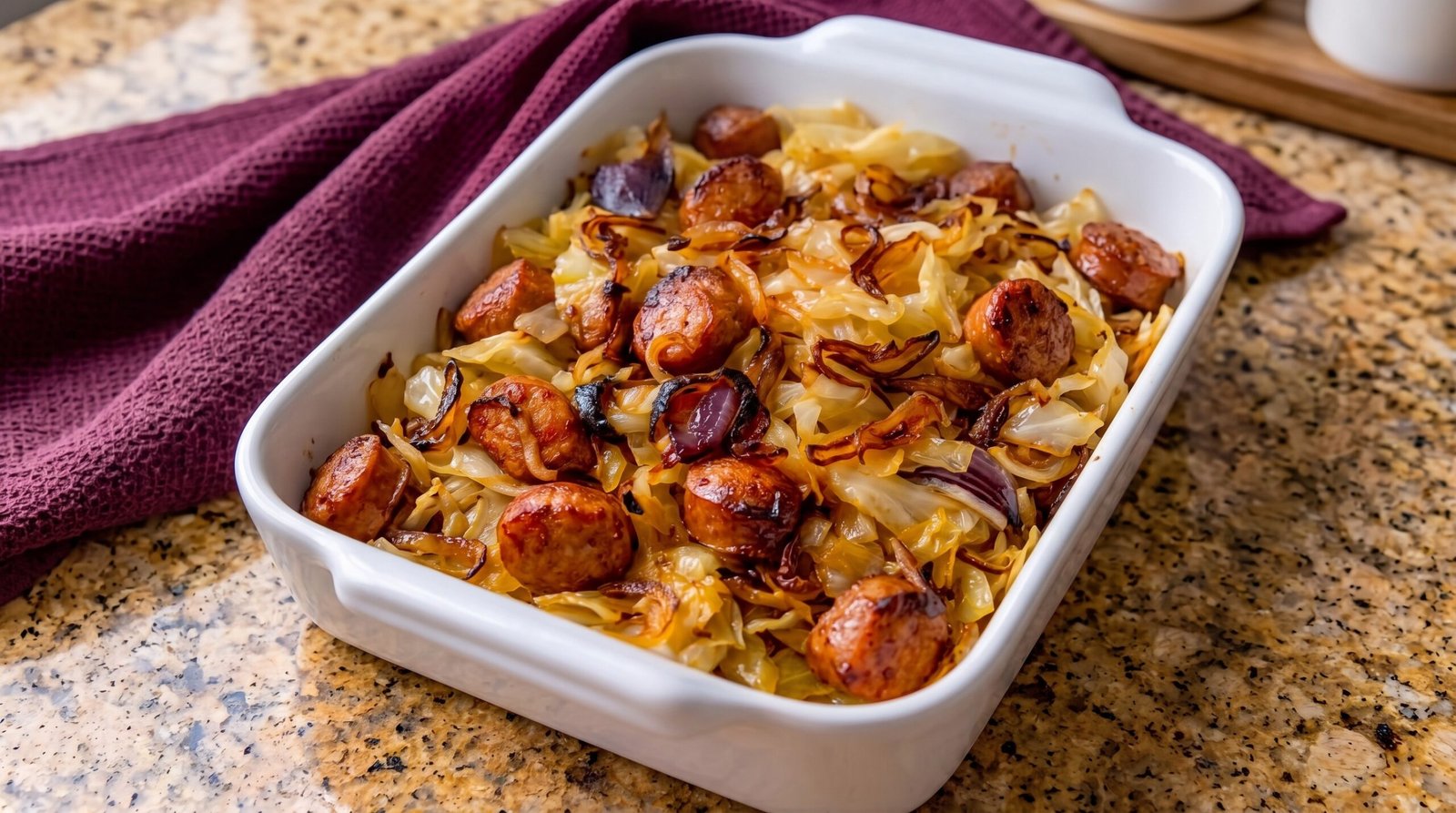
Sometimes the dinner rush feels like a mountain you have to climb every single evening. I have been there plenty of times, staring at the fridge after a long day, hoping for some inspiration to strike. On those nights, I often lean on simple, hearty meals that do not require me to stand at the stove for hours. This sheet pan roasted sausage and cabbage dish has become a staple in my rotation because it relies on the oven to do almost all the heavy lifting. It is one of those meals that transforms humble, inexpensive ingredients into a satisfying dinner that fills the house with a comforting aroma. When the cabbage hits that high heat, it takes on a sweetness that pairs beautifully with the savory, spiced meat of the sausages. It is a straightforward, reliable dinner option that I know will turn out the same way every time I make it, whether I am cooking for myself or feeding a few guests on a busy weekday.
Why This Recipe Works
The beauty of this meal lies in how the high heat of the oven interacts with the cabbage. When you chop cabbage into thick ribbons or wedges and expose them to the intense dry heat of an oven, they undergo a transformation. Instead of becoming mushy like they might in a pot of water, the edges turn a deep brown color, and the leaves soften while maintaining a bit of their bite. This char provides a nice contrast to the softened inner parts of the cabbage.
Another reason this recipe is a favorite is the flavor base created by the rendered fat from the sausages. As the sausage rounds heat up in the oven, they release their juices and seasonings, which then coat the cabbage as it cooks. You do not need a long list of fancy spices or complicated sauces because the meat provides everything the vegetables need to taste good. It is essentially self-seasoning.
The ease of cleanup is another major benefit. By using a single large rimmed baking sheet, I keep my kitchen mess to a minimum. There are no multiple pots or pans to scrub, which makes this an attractive option when I have zero energy for a big cleanup session. You just line the pan with parchment paper, roast the ingredients, and you are done. The timing is also quite forgiving; as long as you do not let the cabbage get too dark on the edges, you have plenty of room to adjust if you need a few extra minutes for the sausages to finish through. It is a reliable, no-nonsense meal that respects your time and your pantry.
Ingredient Notes
The Main Protein
Choosing the right sausage is the most important part of this entire process. You want a sausage that has a good amount of fat and seasoning, as these elements will flavor the entire pan. I typically reach for a high-quality pork sausage with herbs like fennel or garlic. Avoid pre-cooked varieties that are too lean, as they tend to dry out quickly in the oven. If you prefer, you can use chicken or turkey sausages, but make sure they contain enough fat so the cabbage does not taste bland. If you are buying links, be sure to slice them into even rounds about one inch thick. This ensures they cook at the same rate as the cabbage and develop a nice brown crust on the cut sides without drying out the middle.
The Cabbage
For the vegetable component, a head of green cabbage is the traditional choice and works best for roasting. It is sturdy enough to hold its shape under high heat and develops a deep, earthy flavor as it softens. When selecting a head of cabbage, look for one that feels heavy for its size and has tight, crisp-looking leaves. Avoid any heads that have soft spots or wilting leaves at the base. You will want to cut the cabbage into large chunks or thick ribbons. If you cut the pieces too small, they will turn into thin shreds and might burn before the sausages are cooked. The size of your pieces should be roughly the same size as the sausage rounds so that everything finishes cooking at the same time.
Aromatics and Seasoning
Since the sausage provides so much flavor, I keep the extras minimal. I like to include a red onion, which adds a bit of sweetness and color to the finished dish. Just like the cabbage, the onion should be sliced into thick wedges so it stands up to the heat of the oven. A little bit of olive oil is necessary to help everything roast properly, but you do not need much. A drizzle of balsamic vinegar at the very end can add a bright, acidic note to cut through the richness of the sausage fat, but that is entirely optional. I keep the salt and pepper levels moderate because most sausages come pre-seasoned with a generous amount of salt.
| Ingredient | Amount | Notes |
|---|---|---|
| Pork sausages | 1.5 pounds | Raw links, sliced into 1-inch rounds |
| Green cabbage | 1 medium head | Cut into 1.5-inch chunks |
| Red onion | 1 large | Cut into thick wedges |
| Olive oil | 3 tablespoons | For coating the vegetables |
| Sea salt | 0.5 teaspoon | Adjust based on sausage saltiness |
| Black pepper | 0.5 teaspoon | Freshly cracked is best |
| Balsamic vinegar | 1 tablespoon | Optional, for finishing |
The Recipe
- Prep time: 15 minutes
- Cook time: 35 minutes
- Total time: 50 minutes
- Servings: 4 people
- Difficulty: Easy
- Equipment needed: Large rimmed baking sheet, parchment paper, chef's knife, cutting board.
Step-by-Step Instructions
Step 1: Preheat and Prep
Start by preheating your oven to 400 degrees Fahrenheit. Ensure your oven rack is positioned in the middle, which allows for even heat circulation around the baking sheet. While the oven heats up, line your large rimmed baking sheet with a piece of parchment paper. This will make cleanup much faster later on and prevent the food from sticking to the metal pan.
Step 2: Prep the Ingredients
While the oven is warming up, prepare the main components. Cut the sausages into rounds about one inch thick. Using a sharp knife, remove the tough core from the cabbage and chop the rest into pieces roughly one and a half inches wide. Slice the red onion into thick wedges, keeping the layers together as much as possible so they do not fall apart and burn.
Step 3: Season and Assemble
Place the chopped cabbage and onion wedges directly onto the prepared baking sheet. Drizzle them with the olive oil and sprinkle with the salt and pepper. Use your hands to toss everything until the vegetables are evenly coated with the oil and seasonings. Arrange the cabbage and onions in a single, even layer so they have plenty of room to breathe.
Step 4: Add the Sausage
Nestle the sausage rounds among the cabbage and onion pieces. Try to ensure that the sausages are touching the baking sheet directly if possible, as this will help them form a brown crust. Do not crowd the pan; if the ingredients are piled too high, they will steam instead of roasting. If you find your pan is too small, use two separate baking sheets to ensure good airflow.
Step 5: Roast the Dish
Slide the sheet into the oven and roast for about 35 minutes. Halfway through the cooking time, take the pan out and use a spatula to gently flip the sausage rounds and stir the cabbage. This ensures that the vegetables cook evenly and the sausages get color on both sides. Continue roasting until the sausages are cooked through. You should check the internal temperature of a sausage with a meat thermometer to ensure it reaches at least 160 degrees Fahrenheit.
Step 6: Serve Immediately
Once the sausages have reached the safe temperature and the cabbage is soft and dark brown on the edges, remove the pan from the oven. If you like, you can drizzle a small amount of balsamic vinegar over the pan while it is still hot. Serve the dish directly from the sheet or transfer it to a large platter.
Mistakes I Made (So You Don't Have To)
Overcrowding the Pan
Early on, I thought I could fit an entire giant head of cabbage onto one standard baking sheet. The result was that the cabbage steamed in its own moisture rather than roasting. The edges never turned brown, and the texture remained tough and watery. The fix is simple: use two baking sheets if your pan feels too full, or just cook a smaller amount of cabbage. You need space between the pieces for the hot air to circulate, which is the secret to getting that nice color and deep flavor.
Cutting the Cabbage Too Small
I once chopped the cabbage into thin, shredded pieces similar to a coleslaw mix. Because they were so thin, they burned into black, bitter crisps long before the sausages were finished cooking. You need to keep the pieces large, roughly one and a half inches, so they hold up to the 35 minutes of roasting time. If you prefer smaller pieces, you must adjust the cooking time down significantly, but you will miss out on the soft, tender texture that makes this dish special.
Neglecting the Salt Levels
I used to add a full teaspoon of salt to the vegetables without checking the seasoning of the sausages. I ended up with a dish that was almost too salty to eat. Most sausages are heavily salted during the manufacturing process, so they bring plenty of flavor to the party. Always taste a small piece of the sausage before you decide how much salt to add to the vegetables. Start with a very light touch, as you can always add more at the table, but you cannot take it out once it is in the oven.
Not Checking the Sausage Temperature
In my excitement to get dinner on the table, I would occasionally pull the pan out based on how the cabbage looked, assuming the meat was done. This led to a few instances where the middle of the sausage was still cool or not fully cooked. Now, I always use an instant-read meat thermometer to verify that the internal temperature reaches at least 160 degrees Fahrenheit. It takes only a few seconds and gives me the peace of mind that the meal is safe to eat.
Variations and Tips
Adding Root Vegetables
If you want to turn this into a more filling meal, you can add diced potatoes or carrots to the pan. Make sure to cut them into small, one-inch cubes so they finish cooking at the same time as the cabbage. Because these vegetables are denser than cabbage, you might want to toss them with the oil and salt in a bowl first, then roast them for 10 minutes before adding the sausage and cabbage to the pan. This ensures the potatoes get fully soft inside.
Using Different Sausages
While traditional pork sausage is my go-to, this recipe is flexible. Italian sausages with fennel are excellent, but you can also use mild bratwurst or even spicy andouille for a kick. If you find a sausage that has pre-added peppers or cheese, keep in mind that these might change the cooking behavior slightly. Cheese-filled sausages might ooze a bit more fat, so keep an eye on the bottom of the pan to make sure it doesn't get too dark.
A Note on Prep Time
If you are pressed for time in the evenings, do the chopping on the weekend. You can store the cut cabbage and sliced onions in a sealed container in the fridge for up to two days. When you are ready to cook, just dump the vegetables onto the baking sheet, add the sausage, oil, and spices, and put them straight into the oven. This saves you 10 minutes of active prep time right when you are most tired.
Adding Herbs
If you want to elevate the aromatics, toss in a few sprigs of fresh thyme or rosemary when you put the pan in the oven. The heat will release the oils from the herbs and perfume the entire tray. You can leave the sprigs whole and remove them before serving, or strip the leaves off and sprinkle them over the top right before you put the pan in the oven. It adds a nice fresh note that contrasts well with the heavy, savory nature of the roasted meat and cabbage.
Storage and Reheating
If you have leftovers, this dish is quite convenient to store. Wait for the pan to cool down completely, but do not let it sit out on the counter for longer than two hours. Transfer any leftover sausage and cabbage into an airtight container and place it in the refrigerator. It will stay good for up to three days. I have found that it does not freeze very well, as the cabbage tends to become quite mushy and watery once it thaws, so I recommend eating it fresh within that three-day window.
To reheat your leftovers, the oven is your best friend. Preheat your oven to 350 degrees Fahrenheit, spread the leftovers out on a baking sheet, and heat them for about 10 to 15 minutes until everything is steaming hot. You want the internal temperature to reach 165 degrees Fahrenheit to ensure it is safe to eat. You can also use a microwave, but be aware that the cabbage might lose some of its structure and become very soft. Reheating in the oven helps maintain a bit of that roasted texture better than any other method.
Frequently Asked Questions
Can I use a different type of cabbage?
Yes, red cabbage works perfectly in this recipe and actually adds a beautiful color to the plate. It has a slightly earthier flavor than green cabbage and holds its shape very well under heat. You can treat it exactly the same way as green cabbage. Just remember that it might stain other ingredients in the pan, so if you are keeping a neat presentation in mind, keep that in mind when you are tossing the ingredients together.
Do I have to use parchment paper?
Parchment paper is not strictly required, but I highly recommend it. It prevents the sugars from the cabbage and the fat from the sausage from burning directly onto your baking sheet. This makes cleanup significantly easier and helps keep the bottom of the cabbage from turning into a stuck-on mess. If you do not have parchment paper, you can use a bit more oil to grease the pan, but be prepared to spend some extra time scrubbing the sheet after dinner.
What should I serve with this?
Since this is a hearty dish, I usually serve it with something simple to balance it out. A slice of crusty bread with butter or a small, bright green salad with a sharp vinaigrette is a perfect side. The acidity from a vinaigrette really helps cut through the richness of the sausage fat. If you want to keep it even simpler, a dollop of whole-grain mustard on the side of the plate for dipping the sausages is a nice touch.
Can I prepare this in an air fryer?
You can, but you will need to work in batches because air fryers are typically much smaller than a standard sheet pan. You also need to keep the cabbage pieces from flying around in the air current, so it helps to place them near the bottom or under the sausages. Cook at 375 degrees Fahrenheit for about 15 to 20 minutes, shaking the basket halfway through. Since air fryers are very efficient, keep a close eye on the cabbage so it does not dry out before the sausages are done.
Why did my cabbage turn out watery?
If your cabbage ended up with a puddle of water at the bottom of the pan, it usually means the temperature was too low or the pan was too crowded. High heat is essential to evaporate the water that is released as the cabbage cooks. Ensure your oven is fully preheated to 400 degrees Fahrenheit before you slide the pan in, and make sure there is plenty of room between the pieces of cabbage. If you notice a lot of moisture during cooking, you can drain some of it off carefully with a spoon halfway through the process.
Final Thoughts
Making this dish is one of those rituals that reminds me how simple ingredients, when given the right treatment, can make for a wonderful meal. There is a quiet satisfaction in sliding a tray into the oven and knowing that within half an hour, a warm, filling dinner will be ready to eat. It is not about doing anything fancy; it is about letting the heat do the work.
I hope this becomes a regular feature in your own kitchen when you need something reliable and comforting. It is a dish that does not ask for much but always gives back plenty in terms of flavor and satisfaction. Grab a good head of cabbage and your favorite sausages, and enjoy the process.