
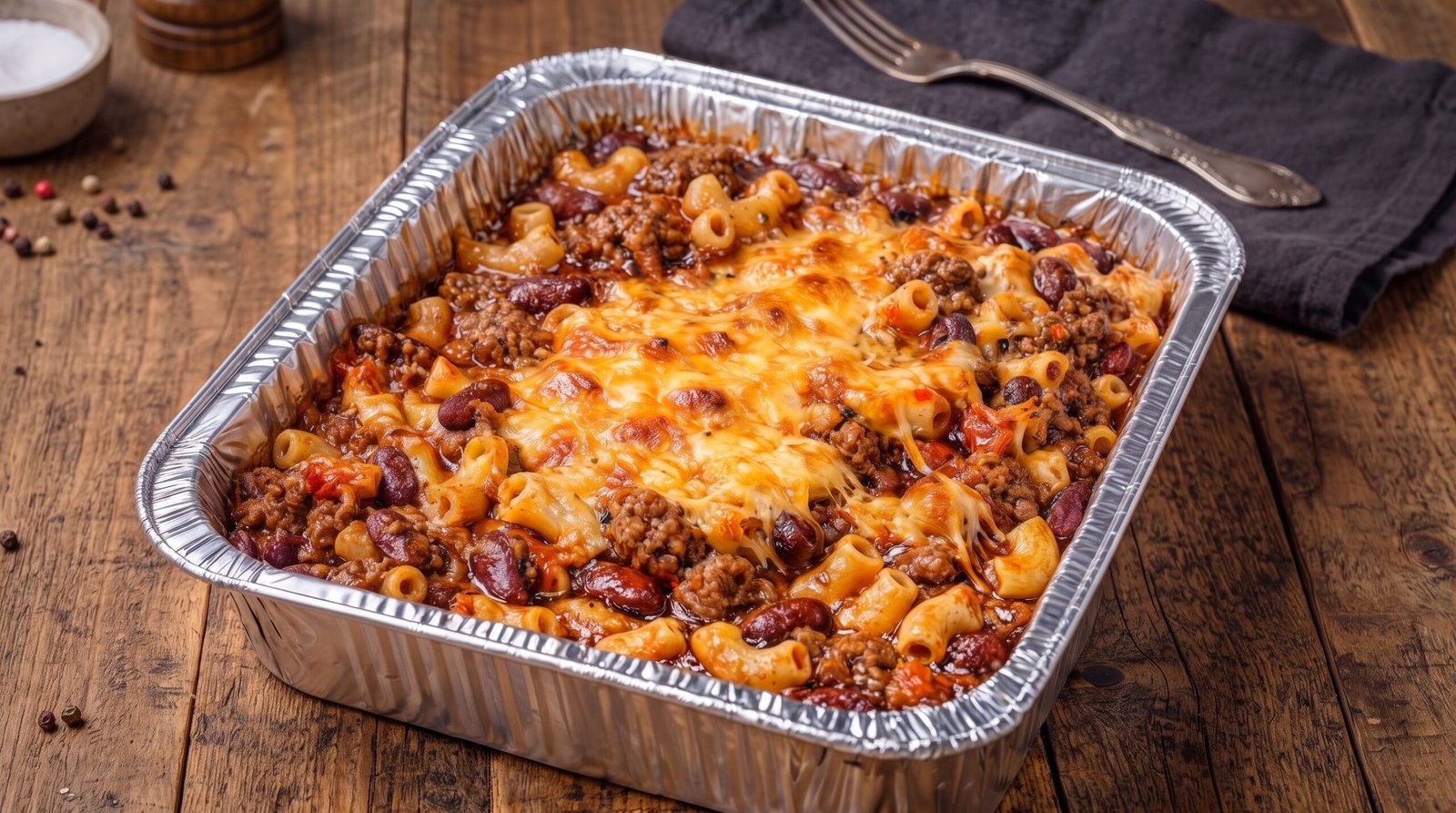
Some nights, the kitchen feels like a place where I just need to get food on the table without overcomplicating things. I remember one Tuesday, after a particularly long day at the office, I opened the pantry and stared at a box of elbow macaroni and a can of beans. I had some ground beef in the freezer that I had managed to thaw in the sink earlier that afternoon. I wanted something hearty that felt like a proper meal but did not require me to stand at the stove for hours. That is when I decided to combine everything into a single pan. This beef and bean pasta bake turned out to be exactly what I needed. It is one of those meals that comes together easily, uses standard pantry ingredients, and feels like comfort in a pan.
When you put this dish together, you get a balance of protein from the beef and fiber from the beans, held together by a rich tomato sauce and enough melted cheese to make every bite satisfying. It is the kind of recipe that is meant for busy evenings when you want to feed your household something warm and filling. In the sections below, I am going to walk you through how to assemble this, what you need to keep in mind to get the best texture, and how to handle the leftovers so you can enjoy them the next day for lunch.
Why This Recipe Works
The main reason I reach for this recipe so often is the efficiency of the workflow. You start by browning the meat on the stovetop, which builds a savory base. By the time the pasta is boiled, the sauce is already simmering with the beans. Mixing it all together and transferring it to a pan allows the oven to finish the work. You do not need to babysit the pot while the flavors meld because the oven heat does that for you. This saves you from having to clean multiple pots and pans, which is always a win in my book.
Another reason is the texture. Often, pasta bakes can turn mushy if you cook the pasta too long before it goes into the oven. Because we are going to undercook the macaroni slightly in the boiling water, it absorbs the moisture from the sauce while it bakes. This ensures that the noodles stay firm and maintain their shape rather than turning into a soft paste. You get a nice contrast between the tender meat, the slightly creamy beans, and the firmer pasta.
The flavor profile is very approachable. It relies on the natural sweetness of tomatoes and the savory depth of beef. Using a good quality cheddar or mozzarella allows the top to get toasted and gooey, providing a golden crust that adds a different sensory experience to the softer interior. It is familiar, satisfying, and doesn't require any exotic spices or expensive ingredients. You can customize the spice level easily if you prefer a bit of heat, but the baseline recipe is mild enough for everyone. Finally, this dish is great because it fills the kitchen with a comforting aroma that signals a meal is ready. It is a straightforward, reliable process that yields a consistent result, making it a staple for anyone who cooks at home on a regular basis.
Ingredient Notes
The Protein and Pasta
The foundation of the dish starts with the ground beef and the pasta. For the beef, I find that an 80/20 ratio provides enough fat to keep the sauce rich without making it too greasy. If you only have lean ground beef, that works too, though you might want to add a small splash of oil to the pan when browning. The pasta is usually elbow macaroni, which is classic for this type of bake, but you can use shells or penne if that is what is in your pantry. The shapes catch the sauce nicely.
The Beans and Sauce
I use kidney beans for this recipe because they hold their shape during the baking process and provide a nice earthy flavor. Be sure to rinse and drain them thoroughly under cold water before adding them to the sauce to remove the canning liquid. For the tomato base, I prefer a combination of crushed tomatoes and a bit of tomato paste. The paste adds body to the sauce. If you want to brighten it up, a teaspoon of dried herbs like oregano or basil goes a long way.
The Cheese
Cheese is what brings everything together. I typically use a sharp cheddar for flavor, but I often mix in some mozzarella for the pull and melt factor. You can buy pre-shredded cheese to save time, but I have found that grating it yourself from a block leads to a smoother melt because it does not have the anti-caking agents that are often added to bags of shredded cheese. If you have a favorite blend, feel free to use it, but keep the moisture content in mind.
| Ingredient | Amount | Notes |
|---|---|---|
| Ground beef | 1 pound | 80/20 ratio is best |
| Elbow macaroni | 1 pound | Standard box size |
| Kidney beans | 15 ounces | One can, rinsed and drained |
| Crushed tomatoes | 28 ounces | One large can |
| Tomato paste | 2 tablespoons | Adds depth |
| Shredded cheddar | 2 cups | Grated from a block |
| Dried oregano | 1 teaspoon | Adds aroma |
| Salt | 1 teaspoon | To taste |
| Black pepper | 1/2 teaspoon | To taste |
| Olive oil | 1 tablespoon | For the pan |
The Recipe
- Prep Time: 15 minutes
- Cook Time: 35 minutes
- Total Time: 50 minutes
- Servings: 6 to 8
- Difficulty: Simple
Equipment needed: Large skillet, large stockpot for boiling water, colander, 9×13 inch baking pan, wooden spoon, cheese grater.
Step-by-Step Instructions
Step 1: Prepare the Oven and Pasta Water
Start by preheating your oven to 375 degrees Fahrenheit. This temperature is ideal for melting the cheese and heating the interior of the bake without burning the top. While the oven heats up, set a large stockpot filled with water on the stove and bring it to a rolling boil over high heat. Add a generous pinch of salt to the water, as this will season the pasta from the inside out.
Once the water is boiling, add the elbow macaroni. The trick here is to cook the pasta for about 2 minutes less than the package directions suggest for al dente. Because the pasta will soak up the sauce in the oven, you want it to have a bit of a bite when it goes into the baking dish. If you cook it fully before baking, the final result will be too soft and lose its texture.
Step 2: Brown the Ground Beef
While the pasta is cooking, place your large skillet over medium-high heat. Add the tablespoon of olive oil, and once it shimmers, add the pound of ground beef. Break the meat apart with your wooden spoon as it cooks. You are looking for the beef to be fully browned, with no pink remaining. This should take about 6 to 8 minutes.
As the meat browns, you might see a good amount of rendered fat in the pan. If there is a significant amount of grease, carefully drain most of it into a heat-safe container, leaving just a tablespoon or so for flavor. Once the meat is browned and the liquid has mostly evaporated, turn the heat down to medium to get ready for the sauce components.
Step 3: Create the Sauce
With the meat ready, add the tomato paste to the skillet. Stir it into the beef for about 1 minute, allowing it to toast slightly and turn a darker red. This step intensifies the tomato flavor. Now, pour in the crushed tomatoes, the salt, the black pepper, and the dried oregano. Stir everything together until it is well combined.
Let this mixture simmer on medium-low heat for about 5 minutes. You are not trying to reduce it too much, just allowing the flavors to marry. After 5 minutes, stir in the rinsed and drained kidney beans. Let it simmer for another minute, then remove the skillet from the heat. The sauce should be thick and fragrant.
Step 4: Assemble the Bake
Drain the pasta using your colander, shaking off excess water. Transfer the cooked macaroni directly into the skillet with the meat and sauce. Use a large spoon to fold the pasta into the sauce until every noodle is coated. This is the stage where the dish starts to look like a cohesive meal.
Pour the entire mixture into your 9×13 inch baking pan. Use the back of your spoon to spread it out into an even layer so the baking is consistent. If you dump it all in one spot, the center will be too thick, so take a moment to level it off across the surface of the pan.
Step 5: Top with Cheese and Bake
Spread your shredded cheese evenly over the top of the pasta mixture. I like to go right to the edges of the pan so the cheese melts down the sides, creating those crispy brown bits on the corners. Place the pan on the center rack of your preheated oven.
Bake for 20 minutes. You want to see the cheese bubbling and turning golden brown. Once finished, take the pan out of the oven. If you have a meat thermometer, the internal temperature should reach at least 165 degrees Fahrenheit. Let the dish rest on your counter for 5 to 10 minutes before serving. This rest allows the sauce to thicken slightly and makes it much easier to scoop out.
Mistakes I Made (So You Don't Have To)
Overcooking the Pasta
Early on, I used to follow the package instructions for boiling the pasta, thinking that since it was going to be baked, it would be fine. I ended up with a mushy mess that fell apart when I tried to serve it. The fix is simple: check your pasta 2 to 3 minutes before the recommended time. It should be firm to the bite. The sauce provides plenty of moisture during the bake to finish cooking the noodles to the right texture.
Leaving Too Much Fat in the Pan
One time, I was in a rush and did not drain the fat from the beef. The final dish ended up being quite greasy, with a layer of oil floating on top of the sauce when it came out of the oven. Now, I always make sure to drain the grease into a small bowl after browning the meat. This keeps the sauce clean and flavorful without that heavy, oily mouthfeel that ruins a good pasta bake.
Using Watery Sauce
I once used tomatoes that were too thin and did not add enough tomato paste. Because the pasta absorbs so much liquid, the bake ended up dry after only a few minutes in the oven. The trick is to ensure your sauce is thick before it ever hits the oven. Adding that bit of tomato paste really helps thicken the body of the sauce so that it stays saucy and clings to the pasta even after the heat hits it.
Not Letting It Rest
I used to be so hungry that I would dive in the second the timer went off. The problem is that the sauce is very thin and bubbly right out of the oven. When you scoop it, it just falls apart. Letting the pan sit on the counter for 10 minutes allows the internal structure to set. It is much easier to serve nice, neat portions when you show a little patience at the very end.
Variations and Tips
Adding Vegetables
If you want to add more texture, try finely dicing a bell pepper or a carrot and sautéing it with the ground beef. The sweetness of the carrot plays very well with the tomato sauce, and it adds a bit of color to the dish. Just make sure to chop the vegetables into small, uniform pieces so they cook through at the same rate as the meat.
Adjusting the Spice Level
If your household likes things spicy, you can add half a teaspoon of crushed red pepper flakes to the sauce when you add the oregano. Alternatively, a few dashes of hot sauce stirred into the meat mixture before baking adds a nice kick that cuts through the richness of the cheese. Start small, as you can always add more heat, but you cannot take it out once it is in there.
The Make-Ahead Strategy
You can assemble this dish entirely ahead of time. Prep the meat sauce, mix it with the cooked pasta, and put it in your baking pan. Let it cool completely, then cover it tightly with plastic wrap or foil and keep it in the refrigerator for up to 24 hours. When you are ready to eat, uncover it and bake it at 375 degrees Fahrenheit for about 30 minutes, or until the cheese is melted and it is hot throughout. It is a massive time-saver for busy weeknights.
Using Different Cheeses
While cheddar and mozzarella are my go-to, you can mix in some grated Parmesan or even a little bit of fontina if you want a more complex flavor profile. Fontina melts beautifully and has a slightly nutty taste that pairs well with ground beef. Just keep in mind that some cheeses are saltier than others, so you might want to adjust the amount of added salt in the sauce accordingly.
Storage and Reheating
If you have leftovers, they are definitely worth keeping. You must get the food into the refrigerator within 2 hours of taking it out of the oven to keep it safe. Store the leftovers in an airtight container for up to 3 days. Pasta absorbs liquid as it sits in the fridge, so the leftovers might be a little thicker than when you first made it.
When it comes to reheating, you want to get the internal temperature up to 165 degrees Fahrenheit. I recommend using the oven or a toaster oven for reheating, as it keeps the top of the pasta and cheese from getting too soft. If the mixture looks a little dry, add a tiny splash of water or broth to the bottom of the dish before heating it. This helps loosen everything up. If you are in a rush, the microwave works, but be sure to stir it halfway through to ensure it heats evenly.
I do not recommend freezing this dish. Because of the pasta and the dairy, the texture can change significantly after being frozen and thawed. The pasta tends to get very soft and mushy, and the cheese can separate. It is best to just make what you can eat within a few days.
Frequently Asked Questions
Can I use ground turkey instead of beef?
Yes, you can substitute ground turkey for the beef without changing the cooking method. Just be aware that turkey has less fat than beef, so you might want to add a little extra olive oil to the pan when you start cooking to keep the meat moist. The flavors will be slightly lighter, but it works just as well with the tomato sauce and beans.
Do I have to use elbow macaroni?
Not at all. While elbow macaroni is the classic choice for this kind of comfort food, you can use any short pasta shape. Penne, rotini, or even farfalle (bowties) work great because they all have crevices that trap the sauce. Just ensure you follow the same rule of undercooking the pasta by about 2 minutes so it does not become soft during the baking process.
My cheese burned before the center was hot. What happened?
Your oven might be running hotter than the dial suggests, or you might have placed the pan too close to the top heating element. To fix this, place the baking pan on the middle or lower rack. If you notice the cheese browning too quickly, you can tent a piece of aluminum foil over the top of the pan for the first 15 minutes of baking, then remove it for the final 5 minutes to let the cheese melt and finish.
Can I add different kinds of beans?
You can absolutely swap the kidney beans for black beans or pinto beans. Both hold up well in a baked pasta dish. If you use black beans, they provide a slightly earthy flavor, while pinto beans are a bit creamier. Just remember to rinse and drain whatever variety you choose so the canning liquid doesn't make your sauce watery.
Is it necessary to boil the pasta first?
Yes, you should boil the pasta first. If you put dry, uncooked pasta into the baking dish with the sauce, it will not have enough moisture to hydrate properly in the oven, and the end result will be hard, crunchy noodles mixed with sauce. Par-boiling ensures the pasta is mostly cooked but still firm enough to absorb the flavors while it bakes.
Final Thoughts
Making this beef and bean pasta bake reminds me that home cooking does not have to be a chore. It is all about finding recipes that make sense for your lifestyle and the time you have available. When the kitchen smells like tomatoes and melted cheese, it is always a good sign that a filling meal is just a few minutes away.
I hope you find this as helpful and comforting as I do. It is meant to be a flexible foundation, so please do not hesitate to experiment with the ingredients you have on hand. Once you get the timing of the pasta and the texture of the sauce down, you will have a go-to meal that serves you well every single time.